
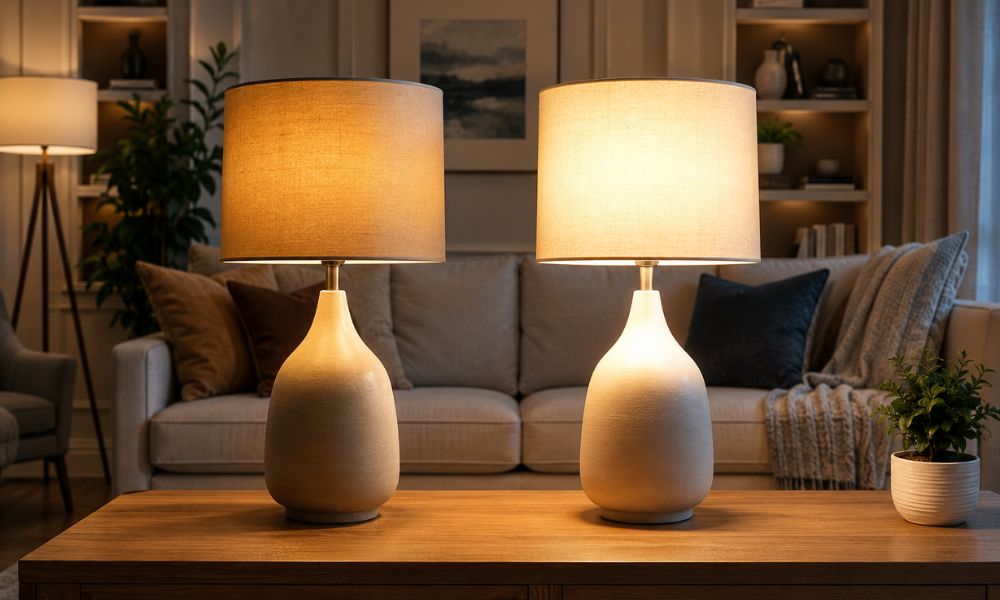
Which Is Better, 40 Watt Or 60 Watt For A Lamp? This is one of the most common questions homeowners ask when choosing the right bulb for a table lamp, floor lamp, or bedside lamp. The correct choice depends on how much brightness is needed, where the lamp is located, and the type of atmosphere desired.
A 40 watt bulb typically provides softer lighting that works well for relaxing spaces, while a 60 watt bulb delivers brighter illumination for reading, working, and everyday activities. Understanding the differences between these two options can help create a more comfortable and functional lighting setup.
This guide explains the key differences between 40 watt and 60 watt bulbs, including brightness, energy efficiency, room suitability, and overall performance.
Understanding The Difference Between 40 Watt And 60 Watt Bulbs
The main difference between a 40 watt and 60 watt bulb is brightness. Traditionally, wattage measured the amount of electricity a bulb used. Higher wattage usually meant a brighter bulb.
A standard 40 watt incandescent bulb produces approximately 450 lumens. A standard 60 watt incandescent bulb produces around 800 lumens.
This means a 60 watt bulb delivers significantly more light than a 40 watt bulb. The extra brightness can make a room feel more open and improve visibility for various tasks.
Today, many households use LED bulbs, but the brightness comparison remains similar when discussing 40 watt and 60 watt equivalents.
Brightness Comparison
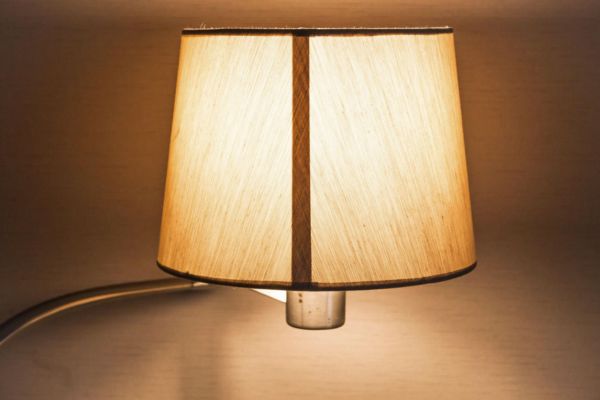
Brightness is often the most important factor when selecting a bulb for a lamp.
A 40 watt bulb creates a soft glow that works well in areas where strong lighting is not necessary. It provides enough illumination for relaxing and casual activities without overwhelming the room.
A 60 watt bulb produces nearly twice as much light. This additional brightness makes it easier to read, work, or perform detailed tasks.
Rooms that require clear visibility generally benefit from the higher brightness of a 60 watt bulb, while spaces designed for comfort often feel better with a 40 watt bulb.
Best Uses For A 40 Watt Lamp Bulb
A 40 watt bulb is commonly used in areas where gentle lighting is preferred.
Bedrooms are one of the most popular locations for 40 watt bulbs because the softer light creates a calm and relaxing environment. Bedside lamps often use lower wattage bulbs to help promote a comfortable atmosphere before sleep.
Decorative table lamps also work well with 40 watt bulbs. The softer illumination highlights décor without becoming the primary light source in the room.
Hallways, guest rooms, and accent lighting fixtures frequently benefit from the warm glow produced by a 40 watt bulb.
Best Uses For A 60 Watt Lamp Bulb
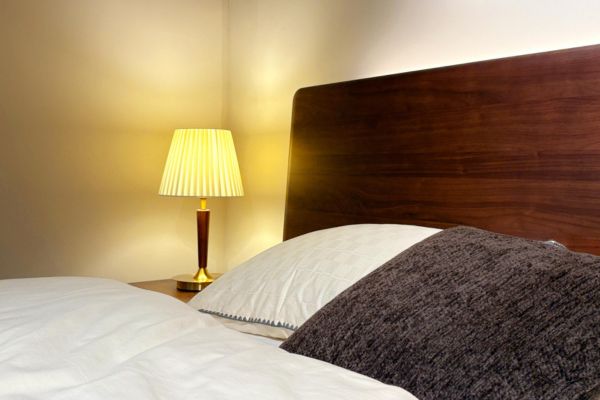
A 60 watt bulb is better suited for situations where brighter lighting is needed.
Reading lamps commonly use 60 watt bulbs because they provide enough illumination to reduce eye strain. The stronger light makes books, magazines, and digital devices easier to see.
Home offices also benefit from the added brightness. Desk lamps equipped with 60 watt bulbs help create a productive workspace while improving visibility throughout the room.
Living rooms that rely on lamps as a primary source of lighting often perform better with 60 watt bulbs.
Which Bulb Is Better For Reading?
Reading requires adequate light to ensure comfort and visibility.
A 40 watt bulb may work for short periods of reading, but many people find it too dim for extended use. Small text can become difficult to see, especially during nighttime hours.
A 60 watt bulb provides stronger illumination, making reading more comfortable. The brighter light helps reduce eye fatigue and improves overall visibility.
For reading lamps placed beside chairs, sofas, or beds, a 60 watt bulb is usually the better option.
Which Bulb Is Better For Bedrooms?
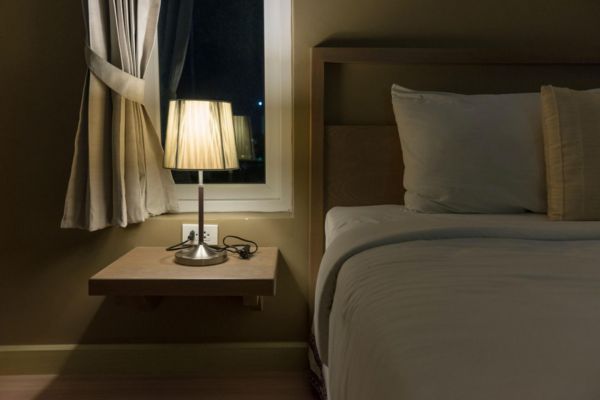
Bedrooms often require a balance between comfort and functionality.
A 40 watt bulb creates a peaceful atmosphere that feels warm and inviting. The softer lighting supports relaxation and helps create a cozy environment.
However, some bedrooms serve multiple purposes. Reading, studying, or working may require additional brightness.
In these situations, a 60 watt bulb can provide better visibility. The ideal choice depends on how the bedroom is used on a daily basis.
Many homeowners prefer 40 watt bulbs for mood lighting and 60 watt bulbs for task lighting.
Which Bulb Is Better For Living Rooms?
Living rooms can benefit from either option depending on the layout and lighting needs.
A 40 watt bulb works well in decorative lamps that supplement overhead lighting. The softer illumination helps create a welcoming atmosphere for relaxing and entertaining guests.
A 60 watt bulb is often the better choice when lamps provide a significant portion of the room’s lighting. The brighter output improves visibility and makes the space feel more functional.
Large living rooms may require several lamps working together to create balanced lighting throughout the area. Before choosing a bulb, learn the difference between a floor lamp vs table lamp to find the best lighting setup for your space.
Energy Efficiency Comparison
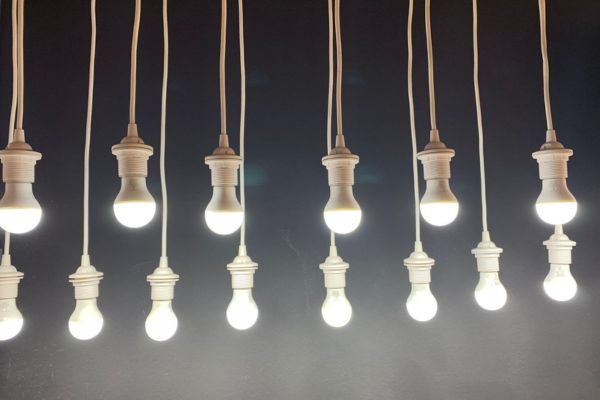
Energy consumption is another important consideration when comparing 40 watt and 60 watt bulbs.
Traditional incandescent bulbs use electricity based on their wattage rating. A 40 watt bulb consumes less energy than a 60 watt bulb because it requires less power to operate.
Modern LED bulbs have dramatically improved efficiency. A 40 watt equivalent LED may use only a few watts of electricity, while a 60 watt equivalent LED uses only slightly more.
Because LED technology consumes so little power, many homeowners choose brighter bulbs without significantly increasing energy costs.
Heat Output Differences
Incandescent bulbs generate heat as they operate.
A 60 watt incandescent bulb becomes noticeably hotter than a 40 watt bulb. This extra heat can make small rooms feel warmer and may reduce energy efficiency.
A 40 watt bulb generally stays cooler because it consumes less power.
LED bulbs produce much less heat than traditional incandescent bulbs, making them a safer and more efficient option for most lamps.
Heat production is one reason why LED replacements have become increasingly popular in modern homes.
Safety Considerations
Lamp safety should always be a priority when selecting a bulb.
Every lamp includes a maximum wattage rating. This rating indicates the highest wattage bulb that can be safely used in the fixture.
Installing a bulb that exceeds the recommended wattage can create excess heat and potentially damage the lamp.
For example, a lamp rated for 40 watts should not use a traditional 60 watt incandescent bulb.
LED bulbs often provide higher brightness while using lower actual wattage, making them a safer alternative in many situations.
40 Watt Vs 60 Watt For LED Bulbs
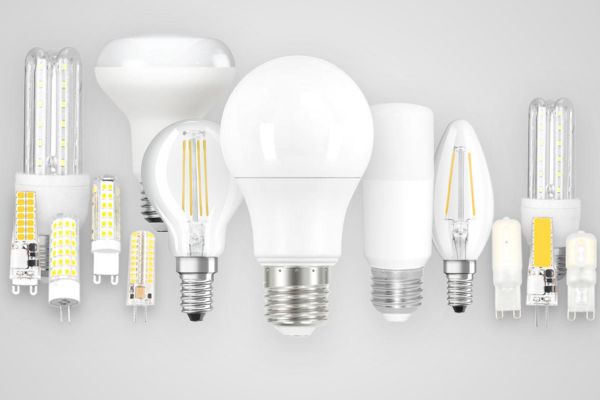
LED technology has changed how wattage is viewed.
Many LED bulbs advertise brightness equivalents rather than actual wattage. A bulb labeled as a 60 watt replacement may consume only 8 to 10 watts of electricity while providing the same brightness as a traditional 60 watt incandescent bulb.
Similarly, a 40 watt equivalent LED often uses only 5 to 6 watts.
When purchasing LED bulbs, focusing on lumens rather than wattage provides a more accurate comparison of brightness levels.
Final Verdict
The answer to whether a 40 watt or 60 watt bulb is better depends entirely on the intended use.
A 40 watt bulb is ideal for bedrooms, decorative lighting, accent lamps, and spaces where a soft, relaxing atmosphere is desired. It provides comfortable ambient lighting without overwhelming the room.
A 60 watt bulb is the better choice for reading, working, studying, and situations where stronger illumination is needed. The additional brightness improves visibility and makes everyday tasks easier.
For most households, a 60 watt equivalent LED bulb offers the best balance of brightness, efficiency, and versatility. However, a 40 watt bulb remains an excellent option when creating a warm and cozy environment is the primary goal.