
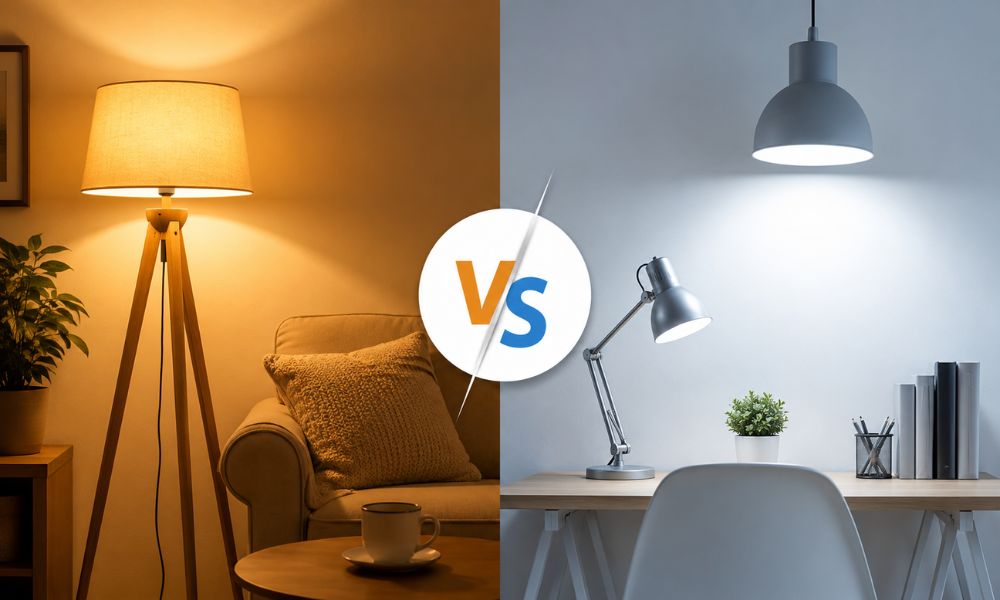
The debate around warm light vs cool light often comes down to comfort, room purpose, and personal preference. After using both types of lighting throughout my home, I found warm light creates a cozy and relaxing atmosphere, while cool light makes rooms feel brighter, cleaner, and more productive.
Many homeowners across the USA now use a combination of both lighting styles to create balance throughout their homes. Bedrooms and living rooms often benefit from warm lighting, while kitchens and home offices typically perform better with cool lighting. This guide explains the real differences, practical benefits, and best uses of each lighting type in a simple and easy-to-understand way.
Warm Light Review
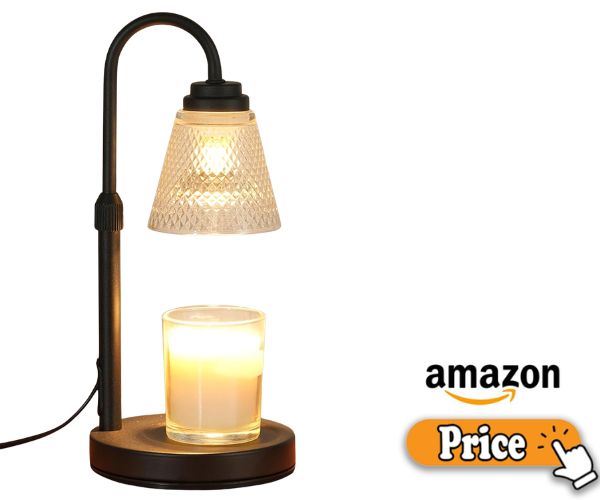
I switched to warm light bulbs in my living room because the bright white bulbs felt too harsh during the evening. After using warm lighting for several weeks, I immediately noticed the room felt more inviting and comfortable for relaxing after work.
The soft yellow glow created a cozy atmosphere during movie nights and family gatherings. I also found that warm light made my furniture and decor look richer and more attractive. Reading in the evening felt easier on my eyes, especially when compared to the cooler bulbs I previously used.
I tested warm lighting in my bedroom as well, and the difference was impressive. The room felt calmer before bedtime, and the softer atmosphere helped create a more relaxing environment.
| Pros | Cons |
| Creates a cozy atmosphere | Not ideal for detailed tasks |
| Easier on the eyes at night | Can feel dim in large rooms |
| Great for bedrooms and living rooms | Colors appear less vibrant |
| Helps create a relaxing mood | Not best for workspaces |
The warm and comfortable glow worked especially well in areas where relaxation was the main goal. After months of daily use, warm lighting remains my favorite choice for bedrooms, family rooms, and reading corners. If you’re creating a more relaxing sleeping space, our guide on cozy floor lamps for bedroom shares practical ideas for choosing lighting that feels warm, comfortable, and inviting.
Cool Light Review
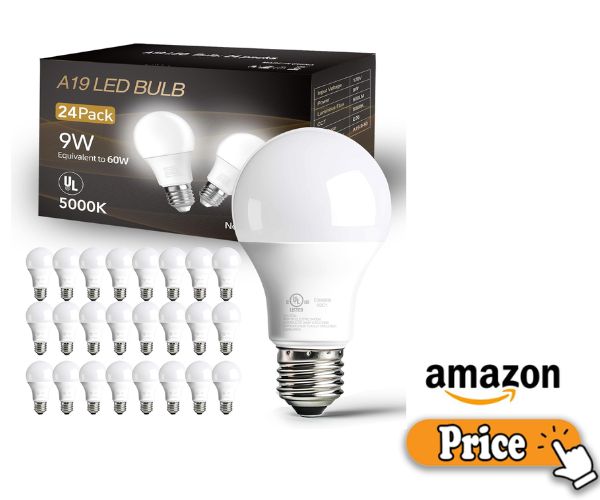
I installed cool light bulbs in my home office because I needed better visibility while working on my computer. Within the first few days, I noticed the room felt brighter, cleaner, and more energetic.
The crisp white light made it easier to focus during long work sessions. It also improved visibility when reading documents, organizing paperwork, and performing detailed tasks. Unlike warm lighting, cool light helped keep me alert throughout the day.
I later added cool lighting to my kitchen and laundry room. The brighter illumination made food preparation easier and helped reveal colors more accurately. The room felt fresh and modern without appearing overly harsh.
| Pros | Cons |
| Bright and clear visibility | Can feel harsh at night |
| Excellent for productivity | Less relaxing |
| Great for kitchens and offices | May feel too clinical |
| Makes spaces appear cleaner | Not ideal for bedrooms |
The bright appearance worked perfectly for task-oriented spaces. After several months of use, cool lighting continues to perform well in workspaces, kitchens, and utility rooms where visibility matters most.
Detailed Comparison For Warm Light Vs Cool Light
Lighting Performance
After using both lighting types throughout my home, I noticed each serves a different purpose. Warm light creates comfort and ambiance, while cool light provides stronger visibility and focus.
| Feature | Warm Light | Cool Light |
| Brightness Feel | Soft and gentle | Bright and crisp |
| Visibility | Moderate | Excellent |
| Reading Comfort | Comfortable at night | Better for detailed tasks |
| Room Coverage | Relaxing atmosphere | Strong illumination |
Room Atmosphere
The atmosphere created by each lighting style is one of the biggest differences I noticed. Warm light feels welcoming, while cool light feels energetic and modern.
| Feature | Warm Light | Cool Light |
| Mood | Cozy and relaxing | Clean and energetic |
| Evening Use | Excellent | Less comfortable |
| Family Spaces | Ideal | Good |
| Modern Appearance | Traditional warmth | Contemporary look |
Reading And Productivity
Reading performance varied depending on the time of day and activity. Warm light felt more comfortable for casual reading, while cool light improved concentration during work.
| Feature | Warm Light | Cool Light |
| Casual Reading | Excellent | Good |
| Office Work | Average | Excellent |
| Computer Use | Good | Better visibility |
| Productivity | Moderate | High |
Bedroom And Relaxation
Bedrooms clearly favored warm lighting in my experience. The softer glow created a peaceful environment that encouraged relaxation before sleep.
| Feature | Warm Light | Cool Light |
| Sleep-Friendly | Excellent | Poor |
| Relaxation | High | Moderate |
| Bedside Reading | Very Comfortable | Sometimes too bright |
| Evening Ambiance | Excellent | Average |
Energy Efficiency And Maintenance
When comparing modern LED versions, both lighting types perform similarly in energy efficiency. The main difference comes from color temperature rather than power consumption.
| Feature | Warm Light | Cool Light |
| LED Efficiency | Excellent | Excellent |
| Lifespan | Similar | Similar |
| Maintenance | Low | Low |
| Energy Savings | High | High |
Conclusion
After using both options throughout my home, I found warm light works best for bedrooms, living rooms, and relaxation areas where comfort matters most. Cool light performs better in kitchens, offices, and workspaces where visibility and productivity are priorities.
Both lighting styles offer excellent energy efficiency and long-lasting performance when using LED bulbs. The better choice ultimately depends on how you use the room and the atmosphere you want to create. For many homeowners, combining warm and cool lighting in different areas of the home provides the best overall results.