
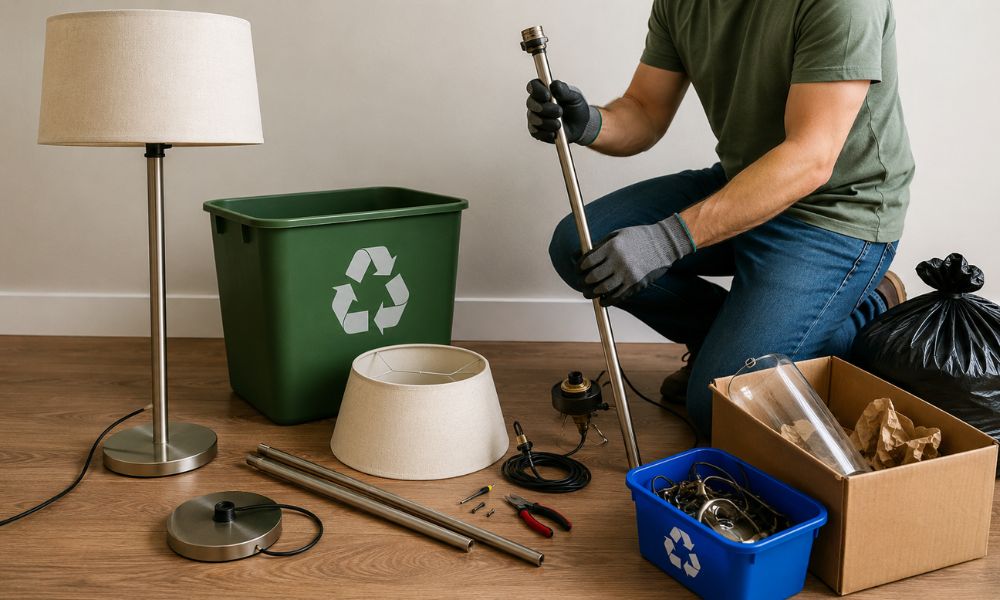
Knowing how to dispose of floor lamp properly is important because many lamps contain metal, wiring, glass, and electronic parts that should not go into regular trash. I learned this during a home cleanup when a broken floor lamp was rejected during garbage pickup because of its electrical components. Since then, I’ve found that recycling, donating, or safely dismantling old lamps is often the best solution. Proper floor lamp disposal helps reduce waste, protects the environment, and keeps dangerous materials out of landfills while also giving reusable lamps a second life.
Why Proper Floor Lamp Disposal Matters
Many people simply place old lamps beside the trash bin without thinking about what happens next. However, floor lamps often contain recyclable metals, copper wiring, glass components, and electrical parts that should not end up in landfills.
Some older lamps also contain hazardous materials. Halogen and CFL bulbs may include chemicals that require special disposal methods. Throwing them in regular trash can create environmental problems.
Proper disposal helps:
- Reduce landfill waste
- Protect the environment
- Recycle reusable materials
- Prevent injuries from broken glass
- Follow local waste regulations
I once broke a glass lamp shade while moving an old lamp outside. Cleaning tiny glass pieces from the driveway convinced me to always dismantle lamps carefully before disposal.
Check Whether The Floor Lamp Still Works
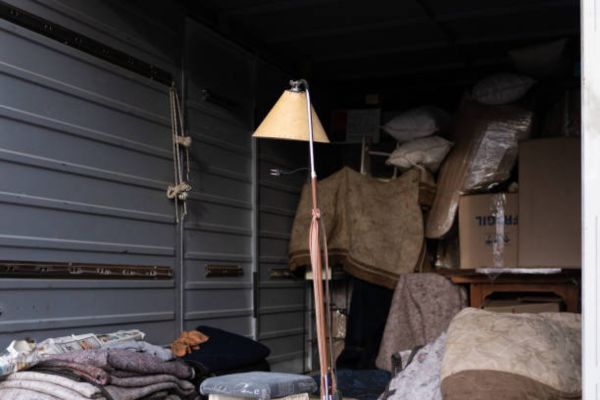
Before throwing away the lamp, test whether it still functions. Many old lamps only need:
- A new bulb
- Cord replacement
- Socket repair
- Tightened connections
If the lamp works, donating it is often the best solution. Local charities, thrift stores, shelters, and donation centers frequently accept working lamps in good condition.
Common places that accept usable lamps include:
- Thrift stores
- Habitat ReStore
- Charity donation centers
- Community shelters
- Local online marketplaces
A basic cleaning can make an old lamp look surprisingly valuable again. I donated a brass floor lamp that I originally planned to discard, and the thrift store accepted it immediately after a quick wipe-down.
Remove The Bulb First
Always remove the bulb before disposing of any floor lamp. Different bulb types require different disposal methods.
LED Bulbs
Most LED bulbs can usually go into regular trash, although recycling is better because they contain electronic components.
CFL Bulbs
Compact fluorescent bulbs contain small amounts of mercury and should never go into household trash. These bulbs require hazardous waste recycling.
Halogen Bulbs
Halogen bulbs become extremely hot and should cool completely before disposal. Wrap them carefully to avoid broken glass injuries.
Incandescent Bulbs
Traditional bulbs can usually go into household trash if wrapped securely.
I keep old bulbs in a small cardboard box until I can recycle them properly. This prevents broken glass from scattering in garbage bags.
How To Dispose Of Metal Floor Lamps
Metal floor lamps are among the easiest lamps to recycle because most recycling centers accept aluminum, steel, brass, and copper materials.
Common recyclable metal lamp parts include:
- Lamp poles
- Weighted bases
- Screws and brackets
- Internal copper wiring
Before recycling:
- Remove fabric shades
- Separate plastic pieces
- Cut cords if required by local facilities
Scrap metal centers sometimes even pay small amounts for brass or copper-heavy lamps. One antique-style lamp I recycled had enough brass weight to earn a small payment. Before buying a replacement, read this guide on floor lamp vs table lamp to choose the right lighting option for your space.
How To Dispose Of Wooden Floor Lamps
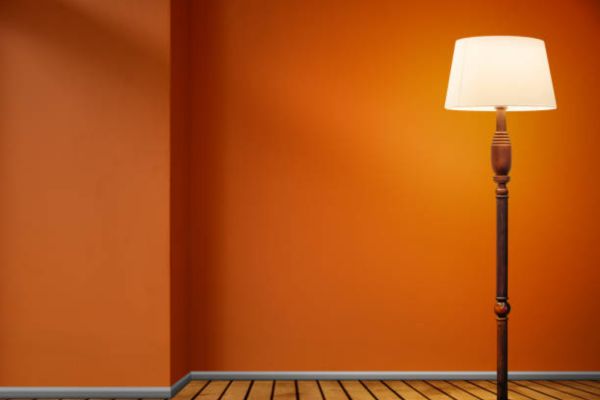
Wooden lamps require different handling methods depending on their finish and condition.
If the lamp is still sturdy:
- Donate it
- Sell it online
- Repurpose it
If badly damaged:
- Separate electrical parts first
- Recycle metal hardware
- Dispose of treated wood according to local rules
Painted or chemically treated wood may not qualify for regular recycling programs.
Old farmhouse-style wooden lamps often remain popular in secondhand markets. Many people refinish them for rustic home decor projects.
Can You Throw A Floor Lamp In The Trash?
Sometimes yes, but it depends on local regulations and lamp materials.
Small broken lamps may fit into household trash after dismantling. However, large floor lamps often exceed trash collection size limits.
Many cities restrict disposal of:
- Electronic waste
- Large metal items
- Hazardous bulbs
- Oversized furniture pieces
Always check your local waste management guidelines before placing lamps outside for pickup.
I once left a large arc lamp beside the curb only to find a warning sticker attached the next morning. Since then, I always verify disposal rules first.
How To Recycle Floor Lamp Parts
Disassembling the lamp makes recycling much easier. Most floor lamps come apart with basic tools like:
- Screwdrivers
- Pliers
- Allen keys
Separate the lamp into categories:
- Metal parts
- Plastic components
- Glass shades
- Electrical wiring
- Fabric materials
Recycling centers process these materials separately, which improves recycling efficiency.
Copper wiring inside old lamps is especially recyclable. Some electronics recycling centers specifically collect cords and wires.
Electronics Recycling Centers
Because floor lamps contain wiring and electrical components, many recycling centers classify them as small electronic waste items.
Electronic waste facilities safely process:
- Power cords
- Sockets
- Electrical switches
- Internal wiring
Search online for:
- E-waste recycling centers
- Household hazardous waste programs
- Community recycling events
Some hardware stores also offer recycling bins for bulbs and electrical products.
Using electronics recycling programs usually feels much safer than throwing lamps into dumpsters where sharp metal or glass could injure sanitation workers.
Donate Vintage Or Decorative Floor Lamps
Older lamps often have resale value even if they look outdated. Vintage brass, mid-century modern, industrial, and arc lamps remain popular with collectors and decorators.
Places to sell or donate include:
- Facebook Marketplace
- Craigslist
- Thrift shops
- Antique dealers
- Local charity groups
Even damaged vintage lamps may interest people who restore furniture and lighting.
I’ve seen scratched vintage floor lamps sell quickly online simply because buyers wanted the unique lamp base design.
Repurpose Old Floor Lamps
Creative reuse is another good option before disposal.
People often transform old floor lamps into:
- Plant stands
- Decorative light fixtures
- Outdoor patio lights
- Reading lamps
- Art projects
Fabric shades can sometimes be reused separately for DIY decor projects.
One broken lamp in my garage became a corner plant stand after removing the electrical parts. It looked far better than throwing it away.
Safe Disposal Tips For Broken Lamps
Broken lamps can be dangerous because of:
- Sharp metal edges
- Broken glass
- Exposed wires
Before disposal:
- Wear gloves
- Wrap broken glass securely
- Tape sharp edges
- Bundle loose cords
- Use sturdy trash bags or boxes
If the lamp contains shattered CFL bulbs, ventilate the room and follow hazardous cleanup instructions carefully.
Safety matters more than speed during disposal. Rushing through lamp removal often creates unnecessary injuries.
How Local Recycling Rules May Differ
Every city handles lamp disposal differently. Some areas provide:
- Bulk pickup days
- E-waste collection events
- Free recycling drop-off centers
- Metal recycling programs
Others require special appointments for large item disposal.
Checking local government websites usually provides the most accurate disposal instructions. Searching “lamp recycling near me” often reveals nearby facilities quickly.
Best Disposal Method Based On Lamp Condition
Here’s the easiest way to decide:
Working Floor Lamp
Donate or sell it.
Metal Lamp
Recycle through scrap metal or electronics recycling.
Broken Lamp
Disassemble and recycle usable parts separately.
Lamp With CFL Bulb
Use hazardous waste disposal for the bulb.
Vintage Lamp
Consider resale before disposal.
This simple approach prevents unnecessary waste while making disposal easier.
Final Thoughts
Learning how to dispose of floor lamp properly helps protect the environment while keeping your home safer and cleaner. Many lamps contain recyclable materials that should not end up in landfills. Others still have value through donation, resale, or repurposing.
The best method depends on the lamp’s condition, materials, and bulb type. Working lamps often deserve a second life, while damaged lamps usually require recycling or careful dismantling.
After dealing with several broken lamps during home cleanouts, I’ve realized proper disposal takes only a little extra effort but makes a huge difference. A few minutes spent separating materials or finding a recycling center can prevent waste, reduce hazards, and even help someone else reuse a perfectly good lamp.