
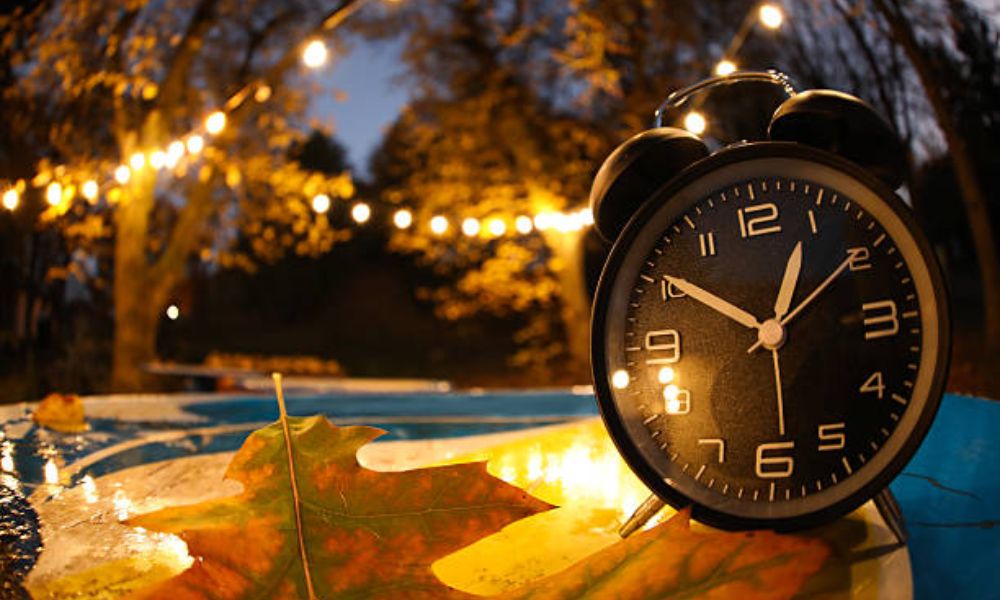
Outdoor lights make a home feel safe and welcoming at night. The first time I learned how to set outdoor lighting timer, my porch lights turned on right at dusk. No more late trips outside to flip a switch.
A simple light timer saves energy and adds security. I also learned how to set a light timer and even how to set a timer switch with pins on older models. This guide shares the easy steps so you can quickly set your outdoor lights and enjoy a smooth lighting routine.
What Is An Outdoor Lighting Timer And How Does It Work
An outdoor lighting timer works like a small clock that controls power to outdoor lights. The device sits between the outlet and the light plug. It turns lights on and off based on a set schedule. Outdoor spaces stay bright during evening hours without daily effort.
Inside the timer, a simple clock tracks time through the day. Once a schedule is set, the timer repeats that pattern every day. Porch lights, garden lights, and pathway lights then follow the same routine. Outdoor lighting becomes steady and predictable.
Types Of Outdoor Light Timers
Mechanical Timer With Pins
Mechanical timers use a round dial with small pins. Each pin marks a time block for lights to stay on. The dial slowly rotates through the day while the pins guide the schedule.
Digital Timer Switch
Digital timers use buttons and a small display. Exact start and stop times are entered on the screen. The timer then follows the schedule automatically.
Smart WiFi Timers
Smart timers connect to home WiFi and phone apps. Lighting schedules can be changed remotely. Some systems also support voice control.
Photocell Timers
Photocell timers react to natural light levels. Lights turn on at dusk and turn off at sunrise. The sensor adjusts automatically with seasonal daylight changes.
Why Outdoor Light Timers Are Useful
Outdoor timers keep lighting on a steady routine. Porch and pathway lights appear each evening at the same time. The home feels welcoming and easy to navigate at night.
Timers also support home security. A bright entry or driveway makes the property look active. Consistent lighting helps discourage unwanted activity.
Energy use becomes more controlled as well. Lights stay active only during chosen hours instead of all night. This simple adjustment often reduces wasted electricity.
Timers also add comfort during travel. Outdoor lights continue their routine even during long absences. The home keeps its familiar evening glow.
Tools And Items Needed Before Setting A Light Timer
Setting a timer requires only a few basic items. Preparing these tools first makes the setup smooth and simple.
Checklist
- Outdoor timer switch or plug-in timer
- Extension cord for distant outlets
- Outdoor lights or holiday lights
- Timer instruction guide
Timer markings deserve attention before adjusting the dial. Numbers and arrows guide the schedule settings. Clear understanding of these markings helps avoid timing mistakes.
How To Set Outdoor Lighting Timer (Step-By-Step Guide)
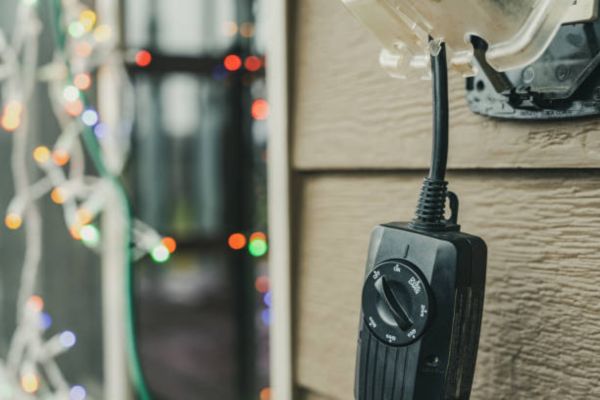
A clear sequence helps outdoor lighting timers operate correctly. Once the dial and schedule are set, the timer manages the lighting routine automatically.
Step 1: Plug The Timer Into The Outdoor Outlet
Connect the timer directly to a weather-protected outdoor outlet. A firm connection keeps power steady and safe.
Step 2: Set The Current Time On The Timer
Rotate the dial or adjust the digital clock to match the current time. Accurate time settings allow the timer to follow the correct schedule.
Step 3: Choose The Lighting Schedule
Select the hours that lights should stay on. Many homes run lights from sunset through late evening.
Step 4: Connect The Outdoor Lights
Plug landscape lights, porch lights, or string lights into the timer outlet. The timer now controls power to those lights.
Step 5: Turn The Timer Mode To Auto
Switch the timer to automatic mode. The timer then follows the programmed schedule each day.
A quick evening test helps confirm that the schedule works as expected.
How To Set A Light Timer For Outdoor Lights
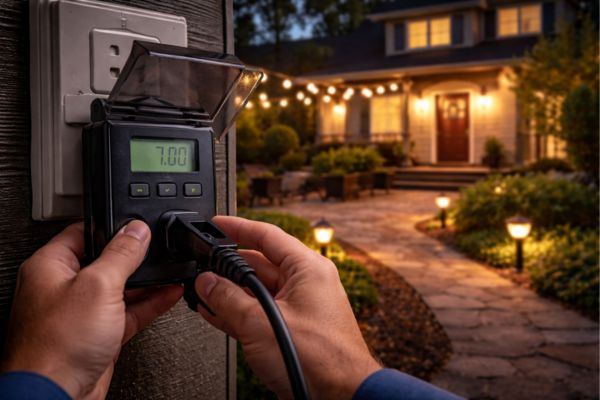
Most timers follow a simple process. The dial or screen sets the current time, and controls define the lighting period.
Basic timer setup usually includes:
- Align the dial with the current time
- Select the lighting start time
- Select the lighting stop time
- Activate automatic mode
A common schedule begins near sunset and ends near midnight. This pattern keeps outdoor areas visible while limiting energy use.
How To Set A Timer Switch With Pins (Mechanical Timer Guide)
Mechanical timers remain popular for outdoor lighting systems. Their rotating dial and pin design allows easy schedule control.
What Timer Pins Do
Pins mark the hours lights stay active. Some models require pushing pins downward to create the lighting period. Other pins represent off time.
Steps To Set Pin Timers
- Rotate the dial to the current time.
- Press pins during the hours lights should stay on.
- Leave other pins raised for off periods.
- Set the timer switch to automatic mode.
Many timers divide the dial into small blocks such as 15 or 30 minutes. This allows flexible lighting schedules.
How To Set Christmas Light Timer Outdoors
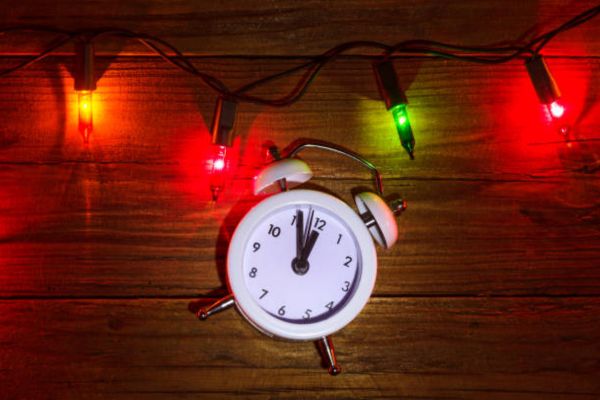
Holiday lighting often works best with automatic timers. Decorative lights follow the same schedule each evening without manual switching.
Typical setup includes:
- Plug the timer into an outdoor outlet
- Connect the Christmas lights to the timer
- Set an evening start time
- Choose a shut-off time later at night
Decorative lights usually glow from dusk through late evening. The timer repeats this routine throughout the season.
Common Problems When Setting Outdoor Light Timers
Outdoor timers may occasionally show small setup issues. Most problems relate to time settings or switch positions.
Timer Not Turning Lights On
Common causes include:
- Incorrect dial time
- Timer in manual mode
- Loose outlet connection
Lights Turn On At The Wrong Time
Timing problems may appear from dial misalignment or incorrect AM/PM settings. Adjusting the clock usually fixes the schedule.
Timer Stops Working In Cold Weather
Very low temperatures sometimes affect older timers. Outdoor-rated timers and protective outlet covers help maintain stable operation.
Safety Tips When Using Outdoor Lighting Timers
Outdoor electrical devices require careful placement. Weatherproof timers offer the safest option for exterior outlets.
Important safety habits include:
- Use weather-rated timers
- Avoid outlet overload
- Keep timers above ground level
- Inspect outdoor wires regularly
These simple precautions support safe and reliable lighting systems.
Benefits I Noticed After Using Outdoor Light Timers
Outdoor timers create a steady evening lighting routine. Porch lights and garden lights appear at the same time each day. The outdoor space feels calm and organized.
Electricity use also becomes more efficient. Lights operate only during planned hours. Reduced run time lowers wasted power.
Consistent lighting improves safety around entryways and driveways. Visitors can move easily through well-lit paths.
Travel periods also feel easier. Outdoor lights continue their routine even during long absences.
Best Places To Use Outdoor Lighting Timers Around Your Home

Outdoor timers work well in many areas around a home.
Common locations include:
- Porch lighting
- Garden landscape lights
- Driveway lights
- Garage lights
- Holiday decorations
These areas benefit from steady lighting schedules that improve both visibility and comfort. Good outdoor lighting improves safety and keeps outdoor spaces clear at night. Many homeowners choose the best outdoor lighting for better visibility and comfort.
Frequently Asked Questions
How do you set an outdoor light timer?
An outdoor timer connects between the outlet and the light plug. The dial or digital clock must match the current time. Lighting hours are then selected and automatic mode activates the schedule.
How do you set a timer switch with pins?
Mechanical timers use small pins around the dial. Pins mark the hours lights stay on while remaining pins represent off periods.
Do outdoor light timers save electricity?
Timers limit lighting to specific hours. This controlled schedule often reduces unnecessary energy use.
Can you use a timer for Christmas lights?
Yes. Timers automate decorative lighting schedules so holiday lights glow during evening hours and turn off later at night.
What is the best time to set outdoor lights?
Many homes schedule lighting near sunset and turn lights off later in the evening. This pattern provides visibility and security.
Final Thoughts
Outdoor lighting timers bring structure and comfort to evening lighting. Lights turn on at the same time each night without manual switches.
Once installed, the system requires very little attention. A quick test after setup confirms that the schedule works correctly.