
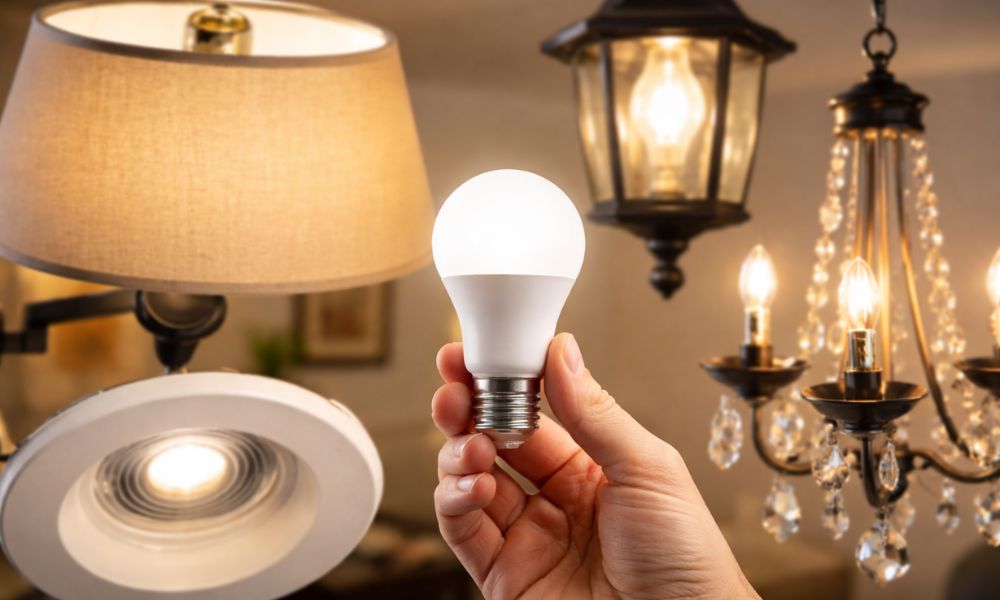
A dim room once made me wonder, can you use an LED bulb in any light fixture. I had just swapped an old incandescent bulb for an LED. The light felt brighter and cooler right away.
Many homes still use classic sockets. People often ask can you use LED bulbs in incandescent fixtures or can you use LED light bulbs in regular fixtures. In most cases the answer is yes, though heat and enclosed fixtures still matter.
In this guide, I share what I learned from using LEDs at home. We will also explain what is totally enclosed luminaires and where LEDs work best. By the end, choosing the right bulb will feel simple.
My First Experience Switching to LED Bulbs
The first swap from an old incandescent bulb to an LED felt like opening a window for light. The room looked brighter, yet the bulb stayed cool. Traditional bulbs released more heat, while LEDs focused on clean, efficient light.
Brightness brought the biggest surprise. A small LED bulb produced strong light with far less power. That change showed why many homes now move toward LED lighting.
One small mistake happened early. An LED bulb went into a lamp with an old dimmer switch, and the light flickered. That moment showed how dimmers and fixture design affect LED performance.
Can You Use LED Bulbs in Incandescent Fixtures?
Many homes still use fixtures built for incandescent bulbs. LED technology works with most of these fixtures without major changes. The key reason comes from the shared socket design used across standard household lighting.
Why LED Bulbs Work in Most Incandescent Fixtures
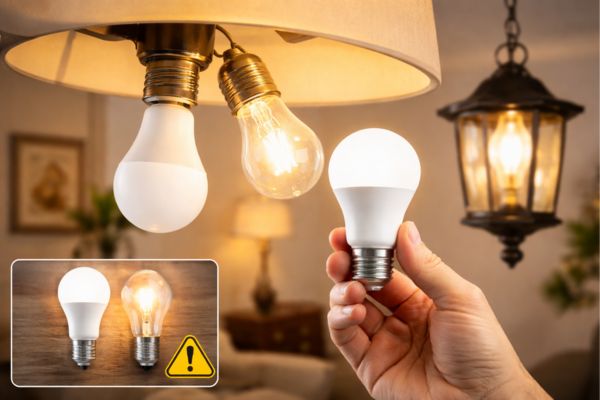
Standard sockets such as E26 or E27 support both incandescent and LED bulbs. The base size remains the same, so the bulb screws in easily. This shared design allows LED lighting to replace older bulbs without new wiring.
Energy consumption also plays an important role. LED bulbs use far less wattage than incandescent models. Lower power demand places less stress on the electrical system. That difference helps LEDs operate safely inside many traditional fixtures.
Modern household circuits also support LED technology without modification. The electrical current flows through the same wiring used for older bulbs. Because of that compatibility, LED bulbs function smoothly in most homes.
When LED Bulbs May Not Work Well
Some older dimmer switches create problems for LED lighting. Traditional dimmers were built for higher-watt incandescent bulbs. The mismatch can cause flicker or uneven brightness.
Fully enclosed fixtures can also create limitations. Heat may collect inside the fixture and reduce the lifespan of the LED bulb. Many people asking can you use LED bulbs in incandescent fixtures discover that enclosure design plays a major role.
Specialized lighting systems also require caution. Ceiling fans, appliance lights, and decorative fixtures sometimes use unique bulb types. These systems may need LED models designed specifically for that purpose.
Can LED Light Bulbs Be Used in Regular Fixtures?
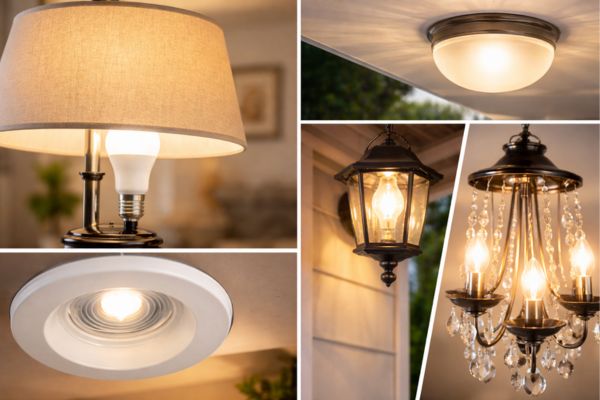
Most household fixtures support LED lighting without difficulty. Lamps, ceiling lights, and outdoor fixtures usually accept LED bulbs that match the socket type. The shared design makes the upgrade simple for many homes.
Table Lamp Fixtures
Table lamps often use standard screw sockets. LED bulbs fit these lamps easily and provide bright light with less heat. The cooler operation also protects lamp shades and nearby materials.
Ceiling Light Fixtures
Ceiling lights support a wide range of LED bulbs. Flush mounts, pendants, and chandeliers often use the same base as traditional bulbs. This compatibility allows LED lighting to replace incandescent bulbs across many rooms.
Outdoor Fixtures
Outdoor fixtures benefit strongly from LED lighting. LEDs resist vibration and operate efficiently in many weather conditions. Lower energy use also reduces electricity costs for outdoor lighting systems.
Recessed Lighting Fixtures
Recessed lighting works well with LED bulbs designed for that purpose. Many modern LED options include built-in reflectors that spread light evenly. Because of this design, many homeowners ask whether can led bulbs be used in any light fixture and find that most standard fixtures support them.
The same idea explains can you use led light bulbs in regular fixtures across homes. Shared socket design and lower power use allow LED bulbs to function across many lighting systems.
Understanding Totally Enclosed Luminaires
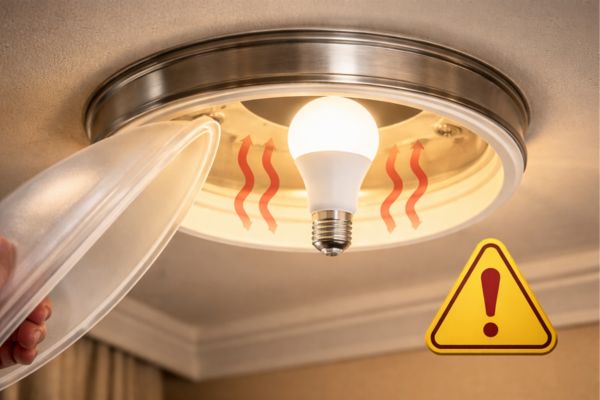
Lighting fixtures vary widely in design. Some allow heat to escape freely, while others trap heat inside the housing. This difference becomes important for LED performance and lifespan.
What Is a Totally Enclosed Luminaire?
A totally enclosed luminaire refers to a lighting fixture where the bulb sits inside a sealed space. The housing prevents airflow around the bulb. In simple terms, heat cannot escape easily from the fixture.
Why Some LED Bulbs Cannot Be Used in Enclosed Fixtures
Heat buildup forms the main concern inside enclosed fixtures. LED electronics remain sensitive to high temperatures. Trapped heat may shorten the lifespan of the bulb.
Reduced airflow also limits cooling around the internal components. Over time, this stress can weaken light output or cause early failure. Manufacturers often warn against using standard LED bulbs in sealed fixtures.
How to Check if an LED Bulb Is Rated for Enclosed Fixtures
Packaging labels usually state whether a bulb works in enclosed fixtures. These labels provide clear guidance for safe installation. Manufacturer specifications also list compatible fixture types.
Safety markings and product descriptions help confirm the correct bulb choice. Many consumers searching what is totally enclosed luminaires discover that the rating printed on the package offers the most reliable answer.
Situations Where LED Bulbs May Not Work Properly
Dimmer Switch Compatibility
Older dimmer switches often struggle with LED bulbs. The mismatch can cause flickering or unstable brightness. Modern LED-compatible dimmers solve this problem.
High Heat Fixtures
Fixtures that trap heat place stress on LED components. Excess temperature may shorten bulb lifespan. Proper ventilation helps maintain stable performance.
Specialty Fixtures
Certain fixtures use bulbs designed for specific purposes. Ceiling fans, ovens, and refrigerators often require special lighting models. Standard LEDs may not suit these systems.
Low Quality LED Bulbs
Poor manufacturing quality leads to unreliable performance. Cheap LEDs may flicker, fade quickly, or fail early. Reliable brands usually provide stronger durability and stable brightness.
Benefits I Noticed After Switching to LED Lighting
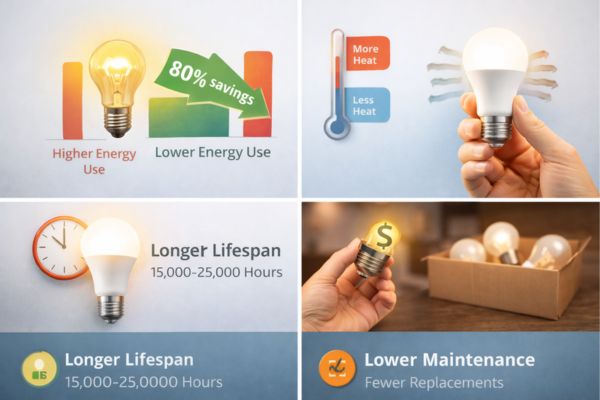
LED lighting changes household energy use in clear ways. Electricity consumption drops because LED bulbs use far less wattage than traditional bulbs. Energy studies often show savings of up to 80 percent compared with incandescent lighting.
Heat reduction also improves comfort in many rooms. Incandescent bulbs release large amounts of heat during operation. LED bulbs stay much cooler, which helps reduce indoor temperature buildup.
Longer lifespan forms another major advantage. Many LED bulbs operate for 15,000 to 25,000 hours. This extended life reduces the need for frequent replacements.
Lower maintenance becomes noticeable over time. Fewer bulb changes save both effort and money. This combination of efficiency and durability explains the growing popularity of LED lighting.
How to Choose the Right LED Bulb for Your Fixture
Check Base Type
Socket size determines which bulb fits a fixture. Standard bases such as E26 or E27 appear in most household lighting. Matching the base ensures proper installation.
Match the Brightness
Brightness levels come from lumens rather than wattage. Higher lumens produce stronger light output. Selecting the right lumen level helps achieve the desired lighting effect.
Verify Enclosed Fixture Rating
Some LED bulbs include a rating for enclosed fixtures. This rating confirms safe operation in sealed lighting housings. Checking the package prevents overheating problems.
Look for Dimmer Compatibility
LED bulbs designed for dimmers operate smoothly with adjustable switches. Standard LEDs may flicker under dimming conditions. The correct bulb type ensures stable brightness control.
Choose the Right Color Temperature
Color temperature shapes the feel of a room. Warm white creates a soft and cozy mood. Cool white or daylight tones provide clearer light for work areas.
Common Mistakes People Make With LED Bulbs
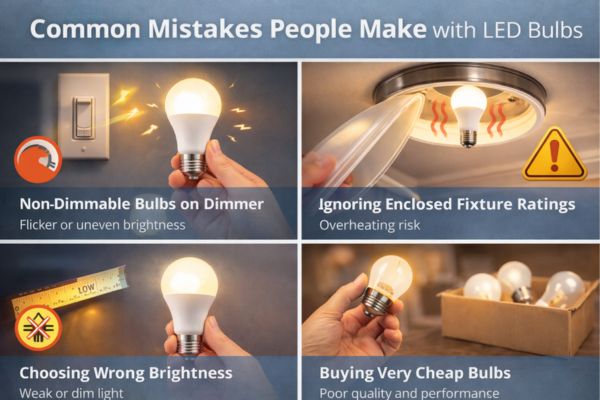
Many users install non-dimmable LED bulbs on dimmer switches. This mismatch often causes flicker or uneven brightness. Compatible bulbs solve this issue.
Ignoring enclosed fixture ratings also leads to problems. Trapped heat can shorten the life of the bulb. Selecting a rated LED model prevents overheating.
Brightness confusion forms another common mistake. Some buyers choose low-lumen bulbs that produce weak light. Understanding lumen ratings helps match the desired brightness level.
Very cheap LED bulbs also create reliability issues. Poor components reduce lifespan and performance. Quality products usually deliver stronger efficiency and durability.
Frequently Asked Questions
Can you use LED bulbs in any light fixture?
Most standard household fixtures support LED bulbs with matching base types. Fixture design, heat management, and dimmer compatibility still influence performance.
Can you use LED bulbs in incandescent fixtures safely?
LED bulbs often operate safely in fixtures designed for incandescent lighting. Shared socket types allow direct replacement in many cases.
Can LED light bulbs be used in regular fixtures?
Regular fixtures such as lamps and ceiling lights usually support LED bulbs. The key requirement involves matching the socket type and power rating.
What is a totally enclosed luminaire?
A totally enclosed luminaire describes a sealed fixture that limits airflow around the bulb. Heat remains trapped inside the housing.
Do LED bulbs last longer than incandescent bulbs?
LED bulbs typically last many times longer than incandescent bulbs. Their design uses less heat and is more energy-efficient.
Final Thoughts
LED lighting represents one of the simplest upgrades for modern homes. Improved efficiency, lower heat output, and a long lifespan create clear advantages. Many households now rely on LED bulbs as the primary lighting solution.
Understanding fixture compatibility helps achieve the best results. Socket type, heat control, and dimmer compatibility all shape performance. Careful selection ensures reliable lighting across different rooms.
Energy-efficient lighting continues to grow in popularity across the United States. LED technology offers both practical savings and environmental benefits. Thoughtful lighting choices support comfort, efficiency, and long-term sustainability.