

Learning how to install a floor lamp base weight can make a huge difference in both safety and stability at home. I noticed this after buying a tall arc lamp that looked beautiful but wobbled every time someone walked near it. The lightweight base made the entire lamp feel unstable, especially on hardwood floors.
After adding extra support weight underneath, the lamp immediately felt stronger, safer, and more balanced. A properly weighted floor lamp base not only prevents tipping but also helps protect floors, furniture, and nearby spaces from accidental damage.
Why A Floor Lamp Base Weight Matters
Many modern lamps use slim designs that look stylish but often lack enough support at the bottom. A weighted floor lamp base helps balance the upper section of the lamp and reduces movement.
This becomes even more important in homes with children or pets. A lamp that tips over easily can become a safety risk very quickly. Adding proper support weight gives peace of mind and keeps the lamp stable during daily use.
I also noticed that heavier bases make expensive lamps feel more premium. The entire structure feels stronger and less shaky after installation.
Signs Your Lamp Needs Extra Weight
One clear sign is wobbling. Some lamps move slightly every time the floor vibrates or someone touches the pole. This usually means the base is too light.
Another common problem is leaning. Tall lamps and arc lamps often tilt forward because the upper section places pressure on one side. A floor lamp base stabilizer helps distribute that weight more evenly.
Some lightweight metal bases also slide on hardwood floors. I had this issue in my apartment because the smooth flooring reduced grip underneath the lamp.
Tools And Materials You May Need
Before starting, gather a few basic tools. Most installations only take around 20 to 30 minutes.
You may need:
- Screwdriver
- Adjustable wrench
- Measuring tape
- Gloves
- Adhesive pads
For the actual weight, many people use:
- Metal weight plates
- Marble discs
- Sandbags
- Adhesive counterweights
A weighted floor lamp base should feel heavy enough to reduce movement without damaging the floor underneath.
Choosing The Right Floor Lamp Base Support Weight
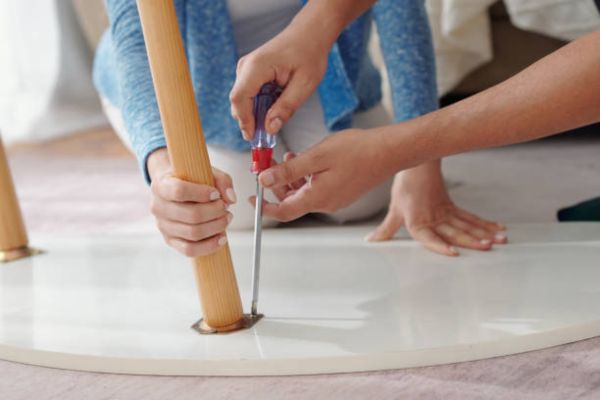
The correct weight depends on the lamp size and height. Smaller bedroom lamps usually need only a few pounds of support. Tall arc lamps often require much heavier stabilization.
I once added too much weight to a thin lamp base and noticed it became difficult to move across the room. Finding balance matters more than simply making the base extremely heavy.
For most living room lamps, a moderate counterweight works well. Heavy base floor lamp setup ideas are especially useful for lamps with adjustable arms or curved designs.
Step 1: Unplug And Prepare The Lamp
Always unplug the lamp before working on the base. This prevents electrical accidents and makes the process safer.
Lay the lamp carefully on a soft surface like a rug or blanket. This protects both the lamp finish and the floor underneath.
I prefer clearing extra furniture nearby first because larger lamps can be awkward to handle during installation.
Step 2: Remove The Existing Base Cover
Most lamps have screws underneath the base. Use a screwdriver to remove the cover carefully.
Keep all screws in a small bowl or container so nothing gets lost during reassembly.
Some lamps use rubber covers or felt pads that peel away first. Take your time here because forcing the cover can crack cheaper materials.
Step 3: Position The Counterweight

This step matters most during floor lamp counterweight installation. Place the weight evenly inside or underneath the base.
The center of the base should hold most of the pressure. Uneven placement can make the lamp lean even more.
I tested several positions before tightening everything completely. Small adjustments made a big difference in stability.
Metal plates usually work best because they stay compact while adding solid support.
Step 4: Secure The Weight Properly
After positioning the weight, tighten all screws and brackets securely.
Some people also use adhesive strips or rubber pads to stop the weight from shifting inside the base. This helps reduce noise and movement later.
A loose counterweight can create rattling sounds every time the lamp moves. I learned this after hearing annoying clicking noises from my first setup.
Step 5: Reassemble And Test Stability
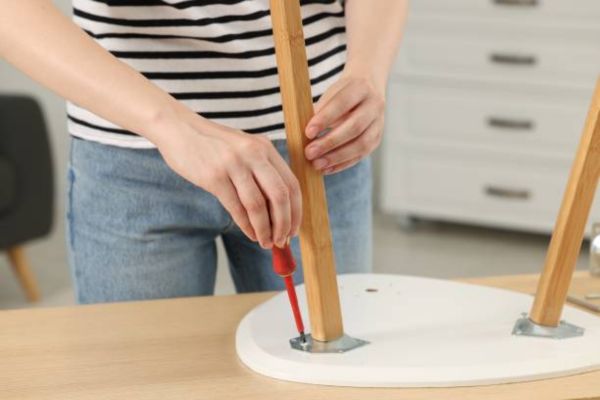
Reattach the base cover carefully and stand the lamp upright again.
Gently push the lamp from different angles to test balance. The lamp should feel stable without excessive movement.
Testing on both carpet and hardwood floors is helpful because surfaces affect stability differently.
After installation, my lamp felt much more secure and stopped leaning toward the sofa.
Best Types Of Floor Lamp Base Weights
Metal plates remain one of the most popular options because they are compact and durable.
Marble weights also work well. They add both support and decorative style. Many luxury lamps already use marble because it naturally creates a heavy base floor lamp setup.
Sandbags offer a cheaper solution. Some people place hidden sandbags underneath decorative covers for temporary stabilization.
Adhesive counterweights work best for small lamps that only need minor adjustments.
How To Secure A Floor Lamp Base More Effectively
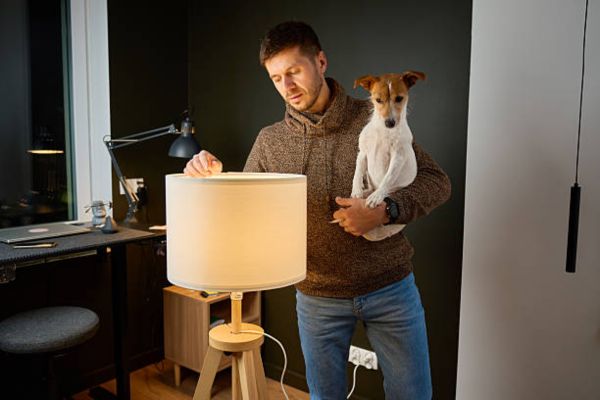
Adding weight alone may not solve every stability problem. Other adjustments often help too.
Non-slip rubber pads improve grip on hardwood and tile floors. I noticed a huge difference after adding simple anti-slip pads underneath my lamp.
Tightening loose pole connections also helps reduce wobbling. Some lamps become unstable simply because sections loosen over time.
Keeping the lamp on a flat surface matters too. Thick rugs and uneven carpet padding can make even heavy lamps feel shaky.
Common Mistakes During Installation
One mistake is using too much weight. Extremely heavy bases can damage flooring or strain the lamp structure.
Another problem is uneven weight placement. The lamp should feel balanced from all sides.
Skipping the stability test is also risky. Always test the lamp carefully before placing it back near furniture or walkways.
I also recommend avoiding cheap adhesive materials because weaker glue may fail over time.
DIY Vs Buying A Pre-Weighted Floor Lamp
Some people prefer buying lamps that already include heavy bases. This option saves time and usually provides better balance from the start.
DIY installation costs less and works well for upgrading older lamps. I personally enjoyed improving my existing lamp instead of replacing it.
Pre-weighted lamps often cost more because materials like marble and solid metal increase production costs.
For budget-friendly upgrades, adding a floor lamp base stabilizer yourself can still produce excellent results.
Maintenance Tips After Installation
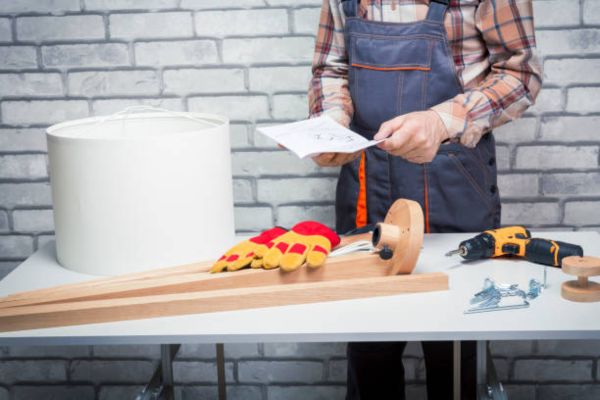
Check the base screws every few months because regular movement may loosen them slowly.
Clean dust underneath the base regularly to prevent scratches on hardwood floors.
Inspect rubber pads or adhesive strips occasionally. Replacing worn pads helps maintain stability and grip.
I also avoid dragging heavy lamps across the room because this can weaken the base connections over time.
Conclusion
Learning how to install a floor lamp base weight is one of the easiest ways to improve lamp safety and stability. A properly balanced lamp feels stronger, safer, and more comfortable in everyday use.
After upgrading my own lamp with extra support weight, the difference felt immediate. The wobbling stopped, the base stayed firmly in place, and the entire room felt more polished.
A stable floor lamp not only improves lighting but also creates a safer and more relaxing living space.
FAQs
How heavy should a floor lamp base be?
Most floor lamp bases should weigh enough to prevent wobbling without making the lamp difficult to move. Taller lamps usually need heavier support.
Can I add weight to any floor lamp?
Yes. Most floor lamps can use additional counterweights, metal plates, or stabilizers safely.
What is the best floor lamp base stabilizer?
Metal weight plates and marble bases are usually the most effective options for long-term stability.
How do I stop my floor lamp from wobbling?
Add extra base weight, tighten loose connections, and use non-slip pads underneath the lamp.
Are weighted floor lamp bases safe for hardwood floors?
Yes, but soft protective pads should be used underneath the base to prevent scratches and dents.