
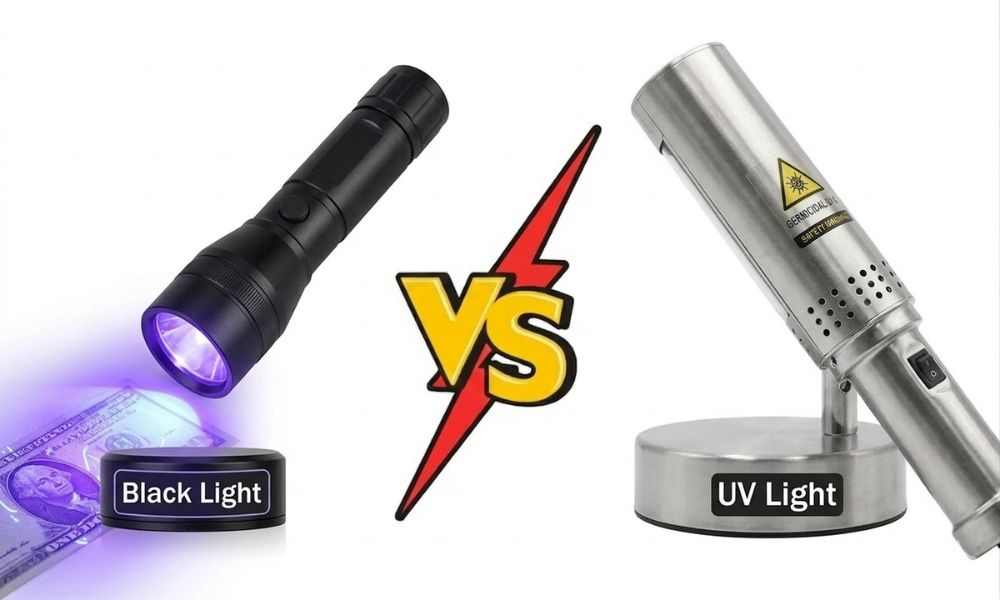
I once tested a few flashlights and party bulbs and got curious about black light vs UV light, because many people think they are the same. The quick answer is simple. A black light is a type of UV light, usually in the safe UVA range that makes stains, minerals, or glow paint light up.
In my experience working with home lighting and inspection tools, the difference matters when you choose lights for tasks like pet stain checks or glow décor. Let’s break down how black light and UV light actually work so you can pick the right one with confidence.
Black Light Review
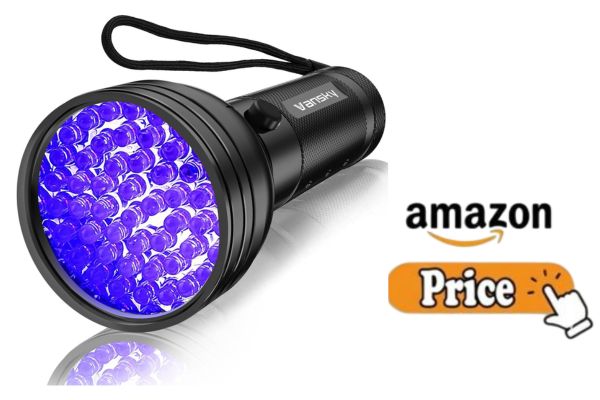
I tested this black light one Saturday night while checking my living room carpet for hidden pet stains. When I turned off the lights and scanned the floor, I was surprised to see spots glowing that looked clean during the day. That moment showed me how helpful a black light can be for simple home checks.
I used the light on carpets, tile floors, and bathroom corners. The purple beam spread well in a dark room and made stains easy to see. The flashlight felt light and comfortable to hold, and pointing the beam was simple. I also tried it on a few dollar bills just for fun, and the security marks appeared right away.
Over the next few weeks I used the light around the house, including under furniture and along baseboards. The brightness stayed steady, and the rechargeable battery handled several short inspections without problems.
| Pros | Cons |
|---|---|
| Strong UV brightness | Works best in dark rooms |
| Lightweight and easy to hold | Detection range is moderate |
| Rechargeable battery | Not ideal for large areas |
| Helpful for stain detection | UV glow may seem dim at first |
Overall, this black light proved to be a handy tool for quick home inspections. It works well for finding hidden stains and checking small details around the house.
UV Light Review
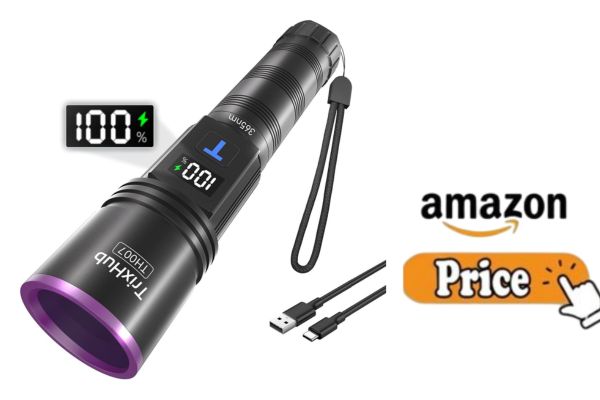
Last Sunday night I tested this UV light after my dog tracked mud across the living room carpet. I turned off the lights and slowly scanned the floor. Right away, the beam showed small glowing spots I could not see in normal light. That quick test showed me how useful a UV inspection light can be for simple home cleaning.
A UV light emits ultraviolet rays, usually UVA around 365 nm or 395 nm, which makes certain materials glow. I mainly used it to check carpets, bathroom tiles, and corners where stains often hide. The flashlight felt light in my hand, and the beam spread made scanning the floor easy.
Over the next few weeks I used the UV light several times around the house. The brightness stayed steady, and the rechargeable battery lasted through multiple short inspections. I also tested it on a few dollar bills, and the security strip appeared clearly under the UV beam.
| Pros | Cons |
|---|---|
| Strong UV beam for stain detection | Works best in dark rooms |
| Lightweight and easy to handle | Detection range is limited |
| Rechargeable battery | Not ideal for large outdoor areas |
| Helpful for carpet and tile checks | UV glow may seem dim at first |
Overall, this UV light proved to be a practical tool for quick home inspections. It works well for finding hidden stains and checking small details around the house.
Details Comparison for Black Light vs UV Light
One evening I tested both lights while cleaning my living room carpet and checking a few old items in my garage. Many people ask about black light vs UV light, so I wanted to see the real difference myself. After using both tools in normal home situations, I noticed that each one works best for different tasks.
Light Type and Wavelength
The first thing to understand is the ultraviolet spectrum. A black light is actually part of the UV family. It usually uses UVA light around 365–395 nm, which is safer and designed to make materials glow.
| Feature | Black Light | UV Light |
| Light Category | Type of UV light | Broad UV term |
| Wavelength | Around 365–395 nm | 100–400 nm range |
| Spectrum Type | Mostly UVA | UVA, UVB, or UVC |
| Real Use Impact | Best for glow detection | Some types used in labs |
In simple terms, black light is a specific kind of UV light made for visibility and fluorescence.
Main Uses and Applications
When I tested both lights around the house, their purpose became very clear.
| Usage | Black Light | UV Light |
| Pet stain detection | Very effective | Rarely used |
| Glow decorations | Common | Not typical |
| Currency inspection | Works well | Possible but uncommon |
| Medical or lab work | Not designed for it | Often used |
For everyday tasks like home inspection or cleaning checks, the black light worked better for me.
Brightness and Visibility
Another big difference is how the light looks to the human eye.
| Visibility | Black Light | UV Light |
| Color Appearance | Purple glow | Often invisible |
| Beam Visibility | Easy to see | Hard to see |
| Fluorescent Effect | Strong on stains | Depends on wavelength |
When I scanned the carpet, the purple glow helped me see exactly where the beam was pointing.
Safety and Health Considerations
Safety is important when dealing with ultraviolet light.
| Safety Factor | Black Light | UV Light |
| UV Type | Usually UVA | May include UVB or UVC |
| Skin Exposure Risk | Lower with short use | Can be stronger |
| Eye Protection | Recommended | Often necessary |
For simple household checks, black lights felt safer and easier to handle.
Best Use Case for Home vs Professional Use
After using both tools, their ideal purpose became clear.
| Best Use | Black Light | UV Light |
| Home inspection | Excellent | Limited |
| Pet stain detection | Very useful | Rare |
| Professional labs | Not suitable | Common |
| Sterilization systems | Not used | Often used |
For homeowners, cleaners, or hobby users, the black light is usually the more practical option.
Conclusion
From my experience, the black light vs UV light decision depends on what you need to do. Black lights are great for home tasks like stain detection, glow effects, and simple inspections. UV lights cover a wider range of wavelengths and are often used in medical, lab, or sterilization work. If your goal is everyday home use, a black light will usually do the job well.