
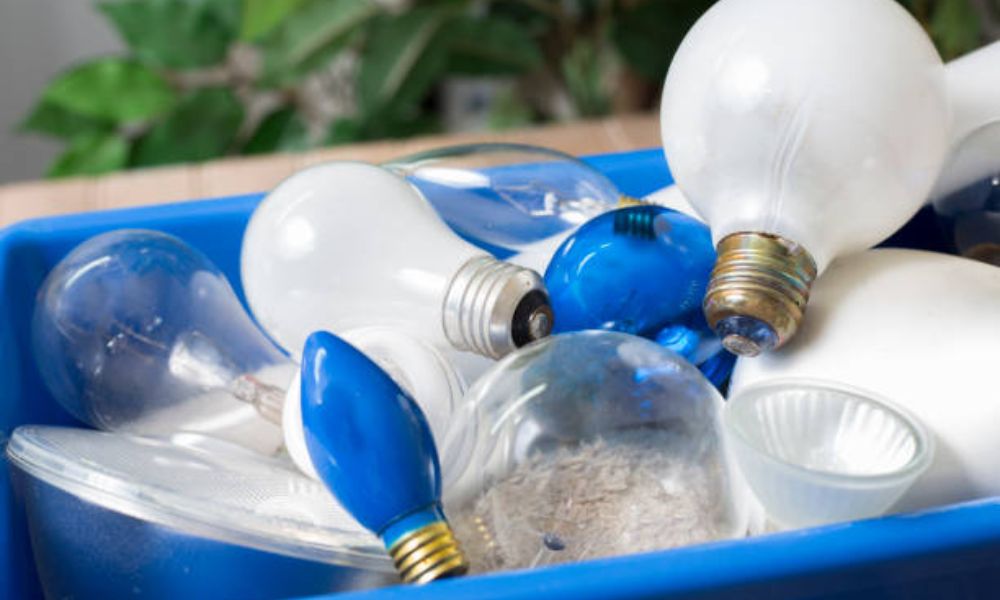
A light bulb looks harmless, yet broken glass can tear a trash bag or cut a hand. I learned that during a quick home clean-up. That moment pushed me to learn how to dispose of incandescent light bulbs the safe and simple way.
Many homes use several bulb types. Incandescent bulbs sit in lamps, while others use LED, CFL, or long tubes. People often ask how do you dispose of light bulbs or the right method for fluorescent tube disposal.
In this guide, I share the safest way to discard bulbs at home. You will also learn how to dispose of fluorescent tubes and how to discard fluorescent light bulbs without risk. Let’s start with the basics.
Why Proper Light Bulb Disposal Matters
A light bulb looks small and harmless. Many people toss one in the trash without a second thought. That habit can cause safety and environmental problems. Glass breaks easily and can tear trash bags or hurt sanitation workers. Lighting products also contain different materials such as glass, metal, and electronic parts. Knowing how do you dispose of light bulbs helps prevent these risks.
Different bulbs require different care. Incandescent bulbs usually go in household trash with proper wrapping. CFL bulbs contain mercury and need special recycling. LED bulbs include electronic components that many recycling centers accept. Fluorescent tubes also require careful handling through safe fluorescent tube disposal programs.
How To Dispose Of Incandescent Light Bulbs Properly
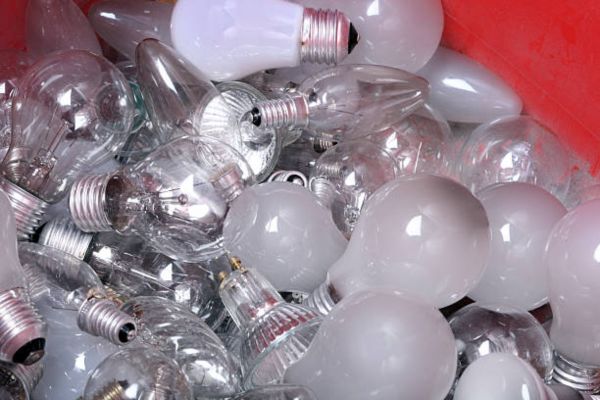
Incandescent bulbs remain common in many homes. Safe disposal takes only a few simple steps. These steps protect both people and waste workers.
Step 1: Wrap The Bulb Before Disposal
Wrap the bulb in paper, newspaper, or an old cloth. This layer protects the glass from breaking inside the trash. The wrap also keeps sharp pieces contained.
Step 2: Place It In A Small Box Or Paper Bag
Place the wrapped bulb inside a small box or thick paper bag. This extra layer works like a shield. The box prevents pressure from other trash items.
Step 3: Dispose In Household Trash Safely
A protected bulb can go into regular household garbage. Incandescent bulbs contain no hazardous materials. Proper wrapping keeps disposal safe and simple.
Step 4: Check Local Recycling Options
Some communities offer recycling programs for mixed lighting waste. Local waste websites often list drop-off locations. These programs support responsible disposal.
A broken bulb once split open in a trash bag during a garage clean-up. Glass pieces slipped through the plastic like tiny shards of ice. Since that day, wrapping every bulb became a habit. One sheet of paper solved a problem that once caused a messy cleanup.
Can Incandescent Light Bulbs Be Recycled
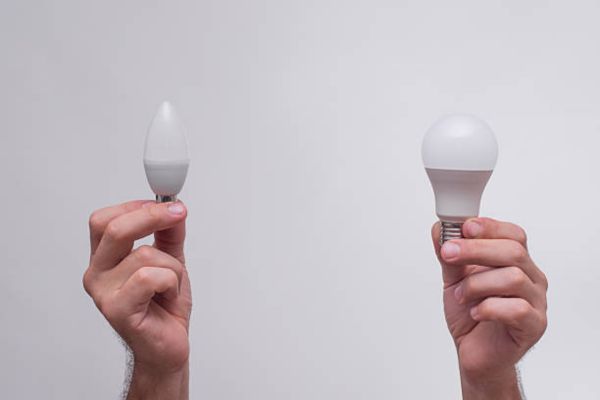
Recycling options for incandescent bulbs remain limited. The materials inside the bulb hold little recycling value. Many centers focus on other lighting products.
Why Most Recycling Centers Do Not Accept Them
Incandescent bulbs contain thin glass and a small metal filament. Separating these parts costs more than the recovered materials. For this reason, most recycling programs do not accept them.
Special Recycling Programs That Accept Bulbs
Some specialty recycling centers accept mixed lighting products. These facilities process large volumes of waste. Local recycling directories sometimes list these programs.
Eco-Friendly Alternatives
Long-lasting lighting products reduce waste over time. LED bulbs last many years compared with traditional bulbs. This change reduces how often bulbs enter the waste stream.
How Do You Dispose Of Light Bulbs Different Types Explained
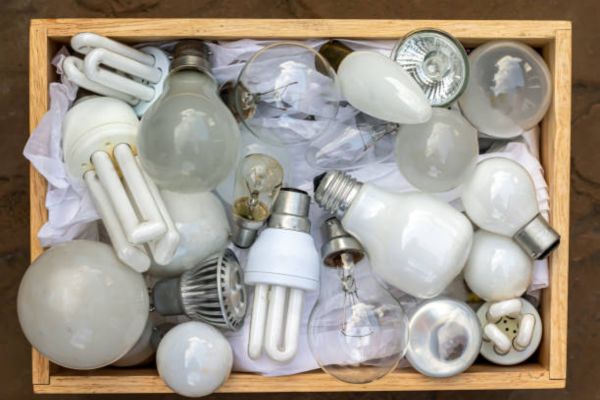
Different lighting technologies require different disposal methods. Understanding each type prevents mistakes and protects the environment.
Incandescent Bulb Disposal
Wrap the bulb in paper and place it in a box or bag. After that step, it can go into normal household trash. For deeper insights on bulb performance, check our incandescent lights review.
LED Bulb Disposal
LED bulbs contain electronic components. Many recycling centers accept them with small electronics.
CFL Bulb Disposal
CFL bulbs contain mercury. Hazardous waste programs or special recycling sites handle them safely.
Halogen Bulb Disposal
Halogen bulbs resemble incandescent bulbs in structure. Proper wrapping allows safe disposal in household trash in most areas.
| Bulb Type | Hazardous Material | Disposal Method |
| Incandescent | No | Wrap and place in household trash |
| LED | Electronic components | Recycle with electronics |
| CFL | Mercury | Hazardous waste or recycling program |
| Halogen | No | Wrap and place in household trash |
Fluorescent Tube Disposal What You Need To Know
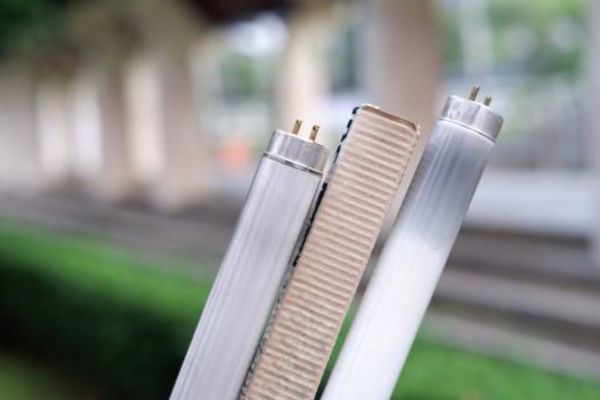
Fluorescent tubes require special attention. These long bulbs appear in garages, kitchens, and offices. Proper disposal protects the environment.
Why Fluorescent Tubes Require Special Disposal
Fluorescent tubes contain a small amount of mercury. This metal supports the lighting process. Careful fluorescent tube disposal prevents contamination.
Where To Find Fluorescent Tube Recycling Programs
Local recycling centers often accept fluorescent tubes. Hardware stores and home improvement stores sometimes provide recycling drop-off bins.
How To Transport Fluorescent Tubes Safely
Place tubes in their original packaging or wrap them in cardboard. This method prevents breakage during transport. Safe handling supports proper how to dispose of fluorescent tubes practices.
How To Discard Fluorescent Light Bulbs Safely
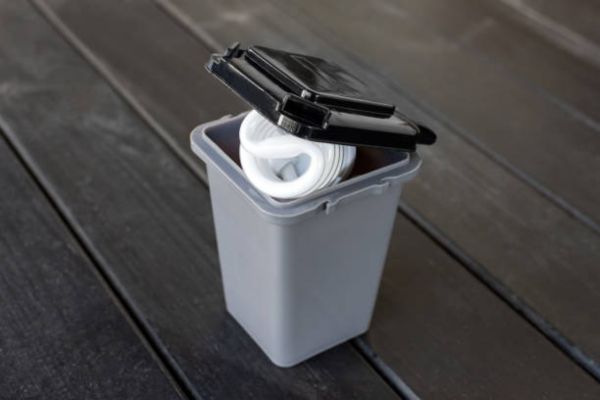
Fluorescent lighting needs special disposal methods. These steps help prevent environmental harm.
Do Not Throw Them In Household Trash
Regular trash collection does not handle mercury-containing bulbs safely. Disposal through proper programs protects waste workers and the environment.
Use Local Hazardous Waste Facilities
Most cities provide hazardous waste collection sites. These centers process mercury-containing bulbs safely.
Retail Stores That Accept Bulb Recycling
Large home improvement stores often provide recycling programs. These programs support safe how to discard fluorescent light bulbs methods.
Common Mistakes When Discarding Light Bulbs
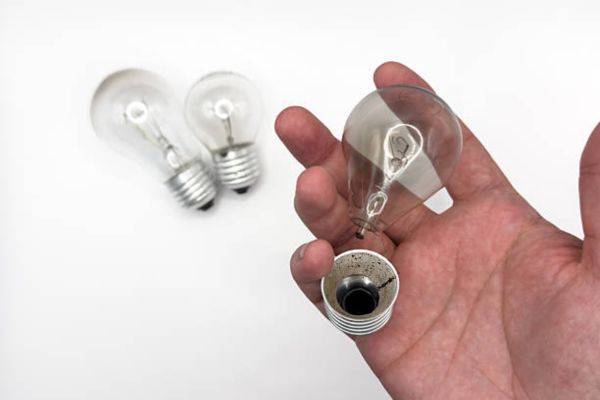
Small mistakes during disposal create unnecessary risks. Awareness helps avoid these problems.
Throwing Bulbs Directly In The Trash
Unprotected bulbs often break under pressure. Wrapping the bulb prevents glass from spreading inside trash bags.
Breaking Fluorescent Tubes
Broken fluorescent tubes release small mercury vapor traces. Careful handling prevents damage during disposal.
Ignoring Local Recycling Rules
Each city sets its own waste guidelines. Checking local disposal programs ensures safe recycling.
A garage cleanup once revealed a box full of mixed bulbs. Some had already cracked inside the container. That moment showed the value of simple sorting and careful wrapping.
Eco Friendly Alternatives To Reduce Light Bulb Waste
Reducing bulb waste starts with smarter lighting choices. Long-lasting products lower the number of bulbs thrown away.
Switching To Long Lasting LED Bulbs
LED bulbs often last many years. This long life reduces replacement frequency and waste volume.
Buying Energy Efficient Lighting
Energy efficient lighting lowers electricity use and environmental impact. Many homes now rely on efficient lighting systems.
Choosing Recyclable Lighting Products
Recyclable lighting supports a circular economy. Materials from these products return to manufacturing rather than landfills.
FAQs
How Do You Dispose Of Light Bulbs Safely
Safe disposal involves wrapping bulbs to prevent breakage and following local recycling guidelines for hazardous lighting types.
Where Can I Recycle Fluorescent Tubes
Recycling centers, hazardous waste facilities, and some home improvement stores accept fluorescent tubes.
Are LED Bulbs Hazardous Waste
LED bulbs do not contain mercury. Recycling remains the preferred disposal option due to electronic components.
What Should I Do If A Fluorescent Tube Breaks
Ventilate the room and carefully collect glass fragments with stiff paper or cardboard. Dispose of the pieces according to local hazardous waste guidelines.
Final Thoughts
Proper disposal starts with simple awareness. Wrapping bulbs and handling them carefully prevents injuries and protects the environment. Small habits make everyday tasks safer.
Responsible lighting choices also reduce waste. Long-lasting LED bulbs lower the number of replacements over time. Recycling programs add another layer of environmental care.
A simple home clean-up once turned into a lesson about fragile glass and safe habits. Since that day, every bulb goes into the trash wrapped and protected. That small step turns an ordinary task into a safer routine for any home.