
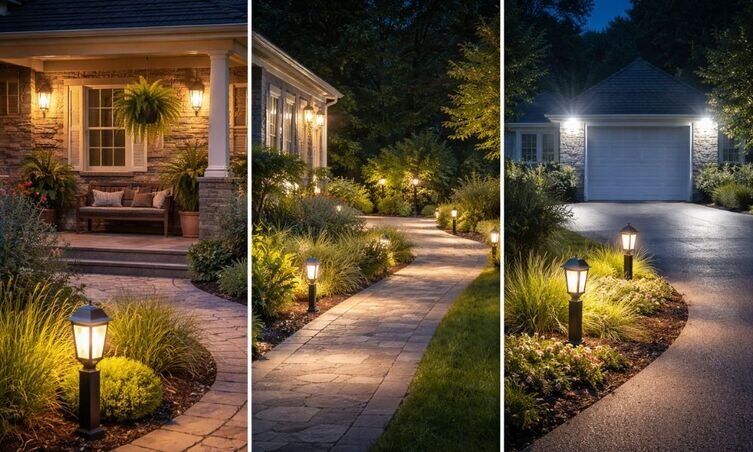
My yard once looked bright but felt wrong. The light was cold and sharp. The space lost its calm night feel. That moment pushed me to learn what colors are better for outdoor lighting and why.
Light color changes how a home feels at night. It shapes safety, mood, and curb appeal. The best color light for outdoor fixtures often comes from the right Kelvin level. A soft warm light outdoor glow feels calm and friendly.
Over time, I tested many outdoor color light bulbs around my porch and path. Small changes made a big impact. The best kelvin for outdoor lighting depends on the space and its use. This guide shares what color bulb for outdoor light works best and why.
Understanding Outdoor Light Colors (Kelvin Explained)
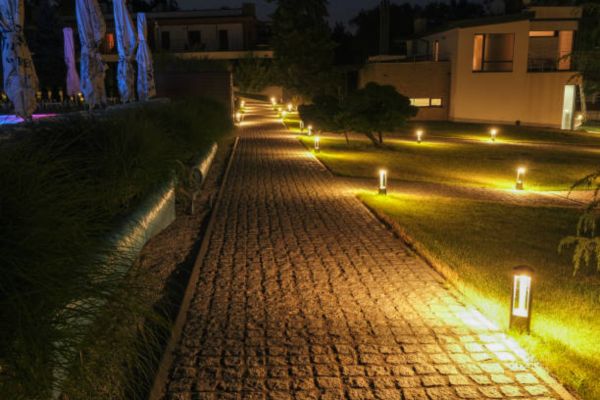
Outdoor light color comes from Kelvin temperature. Kelvin shows the tone of a bulb. Low Kelvin looks warm and soft. High Kelvin looks bright and cool.
Think of Kelvin like the mood of light. A candle gives a warm glow. Noon sunlight feels crisp and white. Outdoor lighting follows the same idea.
The best outdoor lighting uses the right Kelvin for each space. A porch may need calm light. A driveway may need brighter light. This balance helps a home look safe and welcoming.
Warm Light Outdoor (2700K–3000K)
Warm light outdoor bulbs give a soft yellow glow. The light feels calm and relaxed. Many homes use this tone for patios and decks.
This color creates a cozy outdoor mood. Plants and wood surfaces look richer in warm light. Guests often feel more comfortable in this soft glow.
A porch once had bright white bulbs that felt harsh. Warm lights replaced them soon after. The space then felt calm and inviting, like a quiet evening cafe.
Neutral White Light (3500K–4000K)
Neutral white light gives balanced brightness. The color looks clean but not harsh. Many homeowners choose this tone for paths and driveways.
This tone helps eyes see steps and edges clearly. The light still feels natural at night. Walkways stay visible without strong glare.
Many people ask what color bulb for outdoor light works best near garages. Neutral white often works well. It adds clarity and keeps the space comfortable.
Cool White Light (5000K–6500K)
Cool white light looks crisp and bright. This color works well for security areas. Large yards and driveways often use this tone.
Security cameras also perform better in bright light. Details appear sharper at night. Motion sensors also react more clearly.
Many outdoor color light bulbs for flood lights use cool white. The brightness helps protect the home. The space feels open and well lit.
Best Color Light For Outdoor Fixtures Around The Home

Outdoor spaces need different light tones. A porch needs calm light. A pathway needs clear visibility. The right color improves both comfort and safety. Good outdoor lighting improves safety and comfort, and many homeowners explore best outdoor lighting for home ideas to create a warm and welcoming space at night.
Porch and Entry Lights
Warm white light works best near a front door. The tone feels soft and welcoming. Guests often notice this warm glow first.
A porch with warm light looks inviting at night. Wood, stone, and plants appear richer. The entrance feels calm and friendly.
Pathway and Walkway Lighting
Paths need clear and balanced light. Neutral tones around 3000K to 4000K help guide steps. The light shows edges and curves without glare.
This tone helps people walk with confidence. The path stays visible and natural. The yard also keeps a relaxed night look.
Backyard and Patio Lighting
A patio works best with warm light. This color creates a calm evening mood. Family dinners and quiet talks feel more relaxed.
Warm light blends well with plants and wood. The yard looks soft and peaceful. Many outdoor spaces use this glow for comfort.
Security and Flood Lights
Security lights need strong brightness. Cool white light works well in large areas. The tone spreads wide and clear.
Driveways, garages, and side yards benefit from this color. Motion lights also respond better in bright conditions. The home feels safer and well protected.
My Personal Experience Choosing Outdoor Light Colors
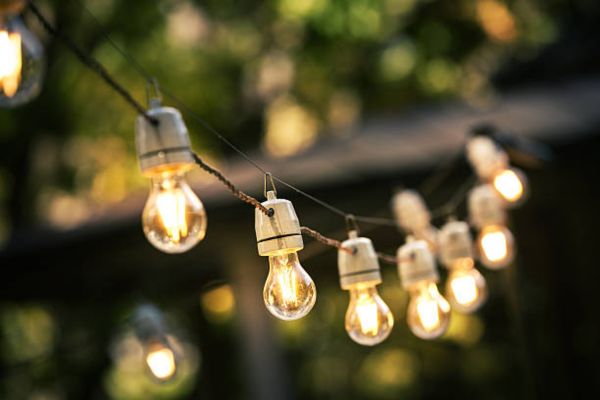
Outdoor lighting once felt confusing. Many bulbs looked bright in the store. The yard told a different story.
Cool white lights first covered the whole yard. The space looked sharp and uncomfortable. The light felt more like a parking lot than a home.
Warm lights later went near the porch and patio. Neutral lights stayed near the driveway. The yard then felt balanced, calm, and safe.
Common Mistakes When Choosing Outdoor Light Colors
Many homes use cool lights everywhere. The yard then feels harsh and cold.
Some spaces mix too many color tones. One area looks yellow while another looks blue.
Many people ignore the best kelvin for outdoor lighting. Brightness alone does not create good lighting.
Bulb labels often show only watt or lumen levels. Light color matters just as much.
Some lights also spill into nearby homes. Soft lighting helps reduce this glow.
How To Choose The Best Kelvin For Outdoor Lighting

Different spaces need different light tones. The right Kelvin helps balance comfort and visibility.
| Area | Recommended Kelvin |
| Porch | 2700K–3000K |
| Garden | 2700K |
| Pathway | 3000K–4000K |
| Driveway | 3500K–4000K |
| Security Lights | 4000K–5000K |
The best kelvin for outdoor lighting often depends on the space. Relaxing areas benefit from warm tones. Safety areas benefit from brighter tones.
Warm vs Cool Outdoor Lights – Which Should You Choose?
Warm light creates a calm outdoor feel. Gardens and patios often look best in this glow. Eyes also feel more relaxed in soft light.
Cool light offers strong visibility. Large spaces benefit from the brighter tone. Security cameras also capture clearer images.
Many homes use a mix of both tones. Warm light near living areas works well. Cool light near security zones adds protection.
FAQs
What color bulb is best for outdoor lighting?
Warm white bulbs around 2700K to 3000K work well for most homes. The light feels soft and welcoming.
What color light keeps bugs away outdoors?
Warm light attracts fewer insects than cool white light. The softer glow creates less bug activity.
Is warm or cool light better for outdoor lights?
Warm light suits relaxing spaces. Cool light suits security and large open areas.
What Kelvin is best for porch lighting?
Porch lighting works best between 2700K and 3000K. This tone feels calm and inviting.
Final Thoughts
Outdoor lighting changes how a home feels at night. The right light color adds comfort and safety. A simple Kelvin change can transform the entire yard.
Warm light works well near living areas. Brighter light suits driveways and security zones. This balance keeps the home both calm and safe.
The right outdoor light does more than brighten a space. It creates a place that feels warm, secure, and welcoming every evening.