
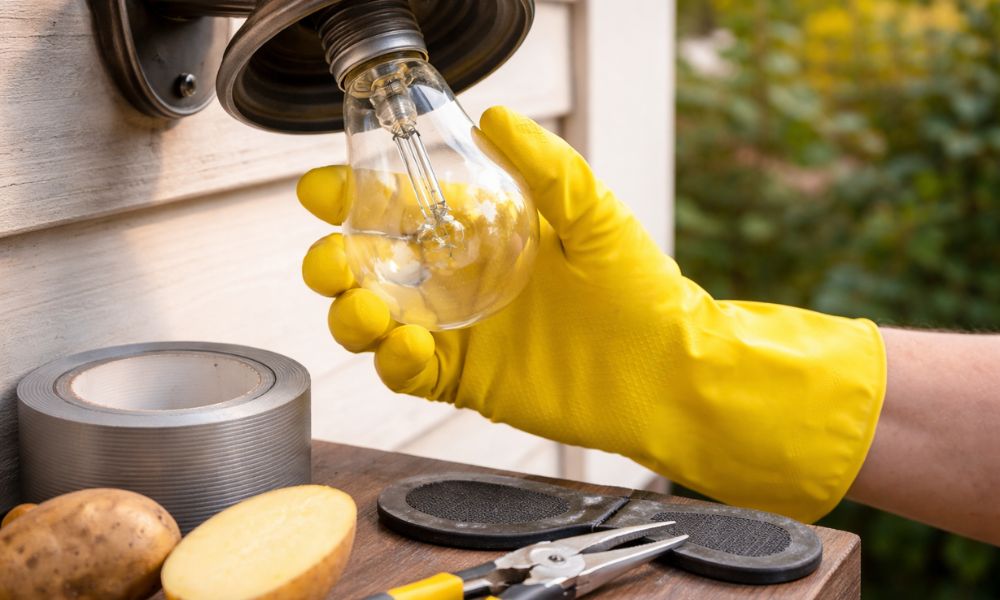
A stubborn bulb can turn a simple task into a small home problem. I once faced a light bulb stuck in socket on my porch light. That moment pushed me to learn how to remove a stuck light bulb without breaking it safely.
In this guide, I share simple methods that show how to take out a stuck light bulb and how to loosen a stuck light bulb without damage. These steps come from real fixes that worked in my own home.
Why Light Bulbs Get Stuck in the Socket
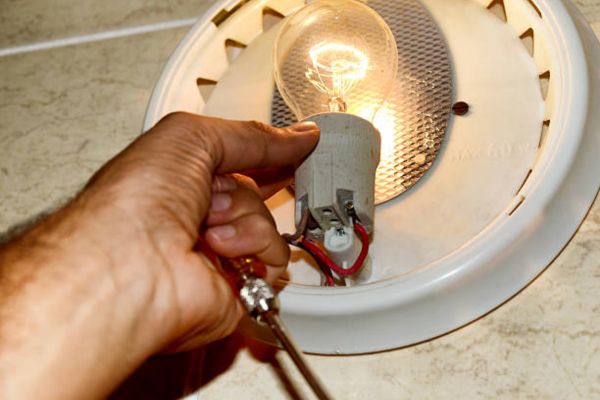
A bulb rarely gets stuck without a cause. Heat from regular use slowly expands the metal base, which presses tightly against the socket threads. Over time, this expansion creates a firm grip that makes turning difficult. Outdoor fixtures face another issue because moisture leads to rust or corrosion inside the socket.
This rough layer increases friction and locks the bulb in place. Over-tightening during installation also pushes the base deeper into the threads. Dust and age add to the problem as well. Small debris builds up inside older sockets, making the bulb feel almost glued to the fixture.
Safety First Before Removing a Stuck Light Bulb
Safety always comes first during any small home repair. Start by turning off the light and cutting power at the breaker to prevent electric shock. Allow the bulb to cool completely since heat expands the metal base and increases the chance of breakage. Wearing rubber gloves improves grip and protects hands from glass shards. A stable ladder also helps maintain balance while working near the fixture. These simple precautions reduce risk and make the process of loosening a stuck bulb much safer and easier.
My Step-by-Step Method to Remove a Stuck Light Bulb Without Breaking It
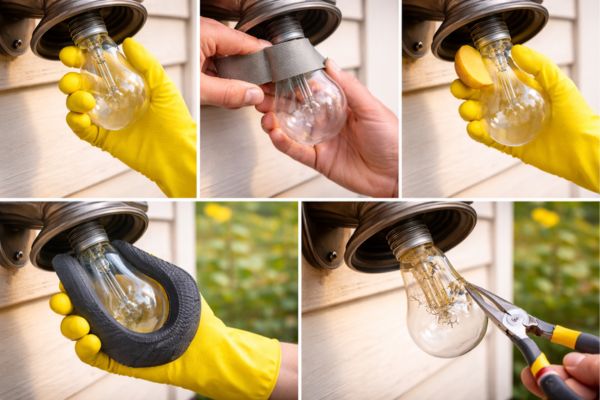
Years of home repairs revealed simple techniques that work in most situations. These methods rely on grip, patience, and gentle pressure. Each step increases traction without damaging the bulb.
Method 1 – Use Rubber Gloves for Better Grip
Rubber gloves add strong friction between the hand and the glass surface. This extra grip allows slow and steady turning. Often this simple step loosens a lightly stuck bulb.
A gentle counter-clockwise twist usually works once grip improves. Many bulbs release with this method alone. The approach stays safe and avoids unnecessary tools.
Method 2 – Use Duct Tape for Extra Traction
Duct tape forms a strong handle around the bulb. Wrapping the tape around the glass creates a textured grip. This grip helps apply even pressure while turning.
The tape method spreads pressure across the bulb surface. That balance reduces stress on the glass. A slow twist with tape often frees stubborn bulbs.
Method 3 – Try the Potato Trick
A potato offers surprising grip because of its soft texture. Cutting a potato in half creates a firm surface that presses into the bulb base. The soft interior molds around the shape.
This method increases friction without sharp tools. The potato holds the base while turning gently. Many homeowners use this trick for safe removal.
Method 4 – Use a Rubber Jar Opener
Rubber jar openers work much like rubber gloves but provide stronger friction. The flexible surface wraps around the bulb and grips tightly. This grip allows controlled twisting.
Many kitchen tools serve small repair tasks like this. The rubber pad spreads pressure evenly across the glass. Steady turning often loosens the bulb within seconds.
Method 5 – Use Needle-Nose Pliers (Last Resort)
A stubborn bulb sometimes leaves the metal base exposed after glass damage. Needle-nose pliers can grip the edge of that metal base. Careful turning slowly loosens the threads.
This method requires patience and gentle pressure. Slow movement protects the socket threads from damage. Pliers work best only after other methods fail.
What to Do If the Light Bulb Breaks in the Socket
Broken bulbs may look alarming, yet safe removal remains possible. The key step involves removing power before touching the fixture. Once electricity stops, the remaining base can be removed carefully.
Turn Off Electricity Immediately
Electricity must remain fully off before touching the socket. Turning off the breaker removes all current from the fixture. This step prevents shock during removal.
Remove the Remaining Metal Base Safely
The metal base usually stays threaded inside the socket. Gloves and insulated tools help grip the edge safely. Gentle twisting loosens the base from the threads.
Use Pliers or a Broken Bulb Extractor Tool
Pliers grip the thin metal edges of the base. A broken bulb extractor tool also fits inside the base and allows safe turning. Both tools provide controlled pressure without damaging the socket.
My Personal Experience With a Stuck Porch Light Bulb
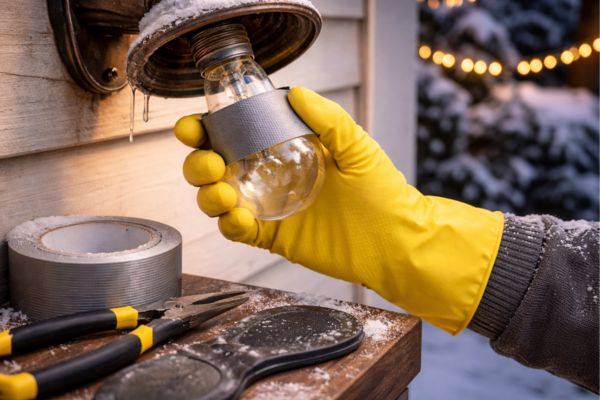
One winter evening revealed how stubborn a porch bulb could become. Months of cold weather and moisture created rust inside the outdoor fixture. The bulb refused to move during a simple replacement.
Rubber gloves alone failed to loosen the bulb. A strip of duct tape around the glass added the grip needed for a slow twist. The bulb finally turned free without damage.
That moment taught an important lesson about gentle installation. Light bulbs need only a light twist to stay secure. Careful installation today prevents stubborn bulbs later.
Common Mistakes People Make When Removing a Stuck Light Bulb
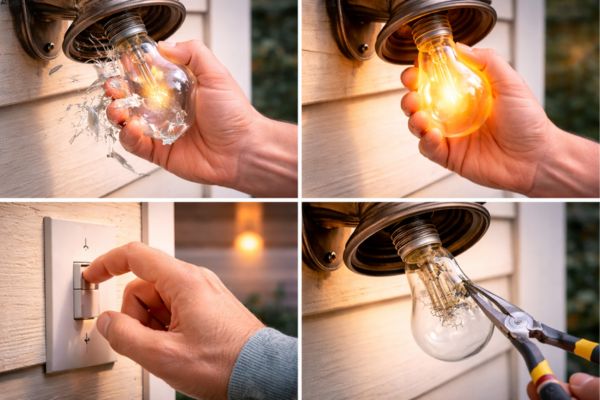
Many removal problems come from rushed actions. Quick force often causes broken glass or damaged sockets. Avoiding a few common mistakes keeps the process safe.
Twisting Too Hard
Strong force places pressure on fragile glass. Sudden twisting often cracks the bulb before the base moves.
Trying to Remove a Hot Bulb
Heat expands metal and tightens the base. Waiting for a cool bulb reduces pressure inside the threads.
Forgetting to Turn Off Power
Live electricity increases risk during repair tasks. Power must remain off before touching the fixture.
Using Metal Tools Without Protection
Bare metal tools may damage socket threads. Protective grip tools reduce scratches and keep the socket intact.
How to Prevent Light Bulbs From Getting Stuck Again
Small maintenance habits prevent future problems. Clean threads and careful installation keep bulbs easy to remove. Prevention saves time and frustration later.
Avoid Over-tightening Bulbs
A gentle twist secures the bulb firmly. Excess pressure pushes the base too deep into the threads.
Clean Fixture Threads Occasionally
Dust and debris collect inside sockets over time. A light cleaning keeps the threads smooth and clear.
Use a Small Amount of Dielectric Grease
A thin layer of grease reduces friction inside the threads. This lubrication helps future bulb removal.
Choose Quality Bulbs for Outdoor Fixtures
Outdoor environments demand durable materials. Moisture-resistant bulbs reduce rust buildup and corrosion. Reliable options appear in guides such as best light bulbs for outdoor fixtures, which help protect sockets from long-term damage.
When You Should Replace the Fixture Instead
Some fixtures reach a point where repair becomes unsafe. Severe rust or wiring damage signals deeper electrical issues. Replacement often becomes the safer choice.
Severely Rusted Sockets
Heavy corrosion weakens the metal threads. A new fixture prevents future electrical problems.
Electrical Damage
Burn marks or melted components indicate overheating. Electrical damage requires replacement for safety.
Loose Wiring
Loose wires inside the fixture create unstable connections. Replacing the fixture restores safe electrical flow.
FAQs
How do I remove a stuck light bulb safely?
Safe removal begins with turning off the power and allowing the bulb to cool. Rubber gloves or duct tape provide strong grip during a slow twist. Gentle pressure usually loosens the bulb without breaking the glass.
Why is my light bulb stuck in the socket?
Heat expansion, rust, and dust buildup tighten the metal base inside the socket threads. Over-tightening during installation also pushes the base deeper into the fixture.
How to unscrew a lightbulb that is stuck without breaking it?
Improved grip tools such as rubber gloves, tape, or jar openers help apply steady pressure. Controlled twisting reduces stress on the glass and frees the bulb gradually.
How to loosen a stuck light bulb?
Cooling the bulb, increasing grip, and twisting slowly help loosen the threads. Patience prevents damage and allows the base to release naturally.
What happens if a light bulb breaks in the socket?
The glass may break while the metal base remains threaded inside the socket. With power turned off, pliers or a bulb extractor tool can safely remove the remaining base.
Final Thoughts
Home repairs often start with small frustrations like a stubborn bulb. A calm approach and the right technique turn that problem into a quick fix. Careful handling protects both the fixture and the person performing the task.
Simple habits such as gentle installation and occasional cleaning prevent future issues. These small steps keep lighting fixtures working smoothly for years. A little patience and the right method always make home maintenance easier.