

Wiring LED strips sounds simple, but the first time I tried it, I stared at the wires wondering if I was about to ruin everything. If you’re searching for how to wire multiple LED strips, you’re probably in that same spot—excited, but a little unsure. I’ve connected dozens of strips in my own home, learned from mistakes, and figured out what actually works without stress.
In this guide, I’ll show you how to connect multiple LED strips together, read a basic led strip wiring diagram, and choose the safest method. Let’s walk through it step by step so you can get bright, clean lighting without frustration.
What You Need Before Wiring Multiple LED Strips
Before you touch a single wire, having the right tools makes everything easier and safer. You only need a few basics to start wiring LED strips correctly. When I first tried this, I rushed and ended up with flickering lights. That taught me that preparation matters.
Begin with your LED strips and check if they are 12V or 24V. The voltage must match your power supply. Choose a power supply that can handle the total load of all strips combined.
Connectors or splitters help you link strips quickly without soldering. A wire stripper and cutter are usually enough for most setups. Always unplug power, avoid exposed wires, and double-check polarity. Following a simple LED strip wiring diagram keeps everything clear and stress-free
How to Wire Multiple LED Strips Together
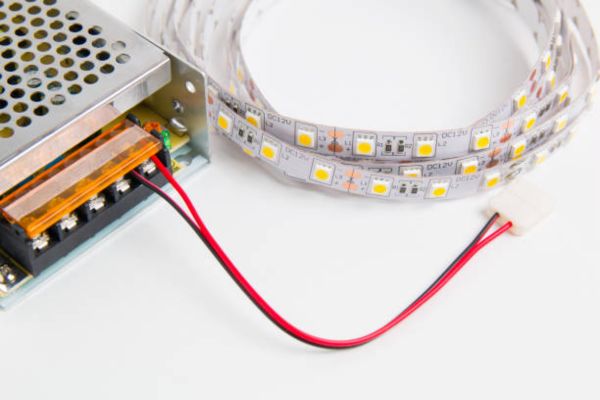
Many people search for how to wire multiple LED strips together and feel confused at first. I felt the same way during my first setup. After trying different approaches, one method clearly worked better. Understanding the basic options makes everything feel simpler and more controllable.
Two Main Wiring Methods
Parallel wiring connects each LED strip directly to the power source. This keeps the voltage steady and the brightness even across all strips. It is the method I rely on for almost every project.
Series wiring links one strip to the next. Voltage drops along the chain, and lights grow dim. This method suits only very short runs.
Wiring LED Strips in Parallel (Best Method for Most Homes)
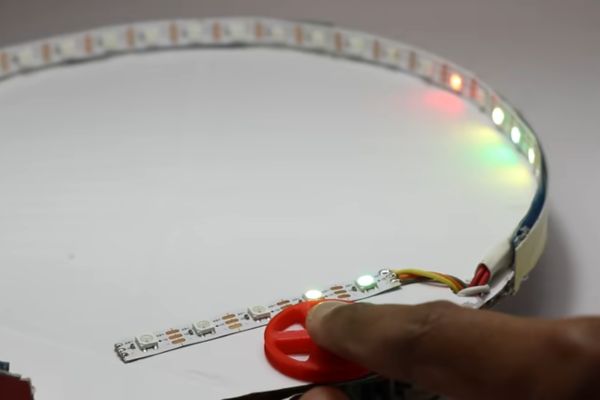
Parallel wiring delivers consistent results. Lights stay bright. Power remains stable. Troubleshooting becomes easier.
Why Parallel Wiring Is Recommended
Each strip receives full voltage. Brightness looks the same on every strip. The setup stays safer and more reliable.
Step-By-Step Parallel Wiring Process
Connect the power supply to a splitter. Attach each LED strip to the splitter outputs.
Match positive to positive and negative to negative. Secure every connection firmly.
How to Connect LED Strip Lights to Power Supply
Connecting LED strip lights to a power supply feels intimidating at first. I remember double-checking every wire before plugging anything in. Once the basics are clear, the process becomes simple and repeatable.
Matching Voltage
Your LED strips and power supply must use the same voltage, such as 12V or 24V. Mismatched voltage leads to dim lights or dead strips. I always check the label before buying or connecting anything.
Choosing Correct Amperage
The power supply needs enough capacity to handle all connected strips. Add up the total wattage and choose a supply with extra headroom. This keeps the system stable and prevents overheating.
Connecting Positive and Negative Correctly
Positive goes to positive. Negative goes to negative. Reversing polarity stops the lights from turning on. A quick look at the markings saves a lot of frustration.
Using LED Strip Splitter Wiring for Easy Installation
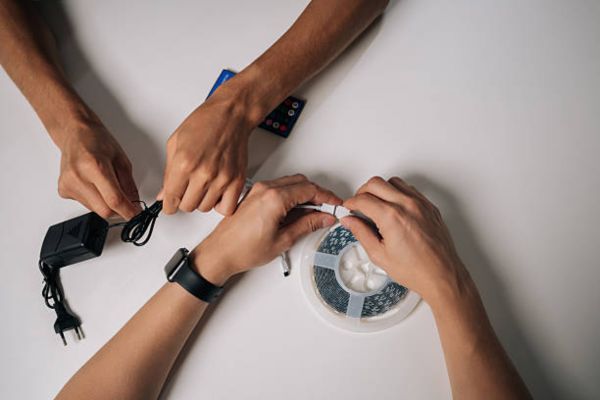
Splitters make wiring cleaner and faster. I started using them after getting tired of messy cable bundles. They changed everything.
What Is a Splitter
A splitter lets one power source feed multiple LED strips. It divides power evenly across outputs.
When to Use One
Use a splitter for multi-strip setups. It works great for under cabinets, shelves, and accent lighting.
How to Install a Splitter
Connect the splitter to the power supply. Plug each LED strip into an output port. Check polarity and secure connections.
LED Strip Wiring Diagram (Simple Explanation)
A basic led strip wiring diagram shows how power flows from the supply to each strip. Power supply sits at the start. Splitter branches out. Strips connect at the ends.
Positive lines usually appear as red. Negative lines appear as black. Each strip connects in parallel to keep voltage steady.
Common layouts include one supply with two strips, four strips, or more using splitters. The concept stays the same across all setups.
How to Extend LED Strip Lights Safely
Extending LED strips helps cover longer spaces. I do this often for large rooms and hallways.
Extension Cables
Use cables designed for LED lighting. They maintain voltage better than random wires.
Connector Types
Clip-on connectors and corner connectors simplify extensions. No soldering needed.
Distance Limits
Long runs cause voltage drop. Short extensions keep brightness consistent. For large installs, add another power feed.
Following these steps keeps your lighting bright, stable, and safe.
Common Mistakes When Wiring Multiple LED Strips
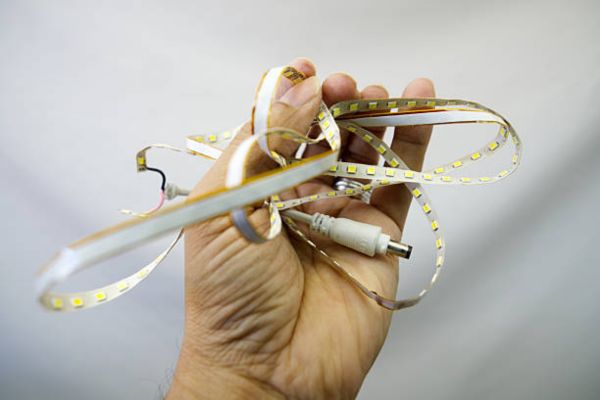
Most wiring problems come from small oversights. I have made every mistake on this list at least once. Learning them early saves time and money.
Reversing polarity stops the lights from turning on. Positive and negative must always match. Overloading the power supply causes dimming and overheating. Choose a supply with extra capacity. Loose connectors create flicker and random shutoffs. Press each connection firmly.
Mixing voltages damages strips fast. Keep all strips and power supplies at the same voltage.
My Personal Experience Wiring Multiple LED Strips
My first setup looked simple. It failed within minutes. I rushed, guessed, and skipped checking labels. The results were instant. Brighter lights. No flicker. No overheating. Everything stayed stable.
The biggest lesson was patience. Slow work produces clean results. Small details matter more than fancy tools.
Troubleshooting LED Strip Wiring Problems
Most LED strip issues come from simple wiring errors. I used to think something was broken, but almost every time it was a small connection mistake. A quick check of power, polarity, and connectors usually solves the problem.
Strips Not Turning On
Start by checking the power supply connection. Make sure the voltage matches your LED strips. Look at polarity and confirm that positive and negative are aligned correctly. Many “dead” strips turn on instantly after fixing this.
Flickering Lights
Flickering often means a loose connector or weak power supply. Press all connectors firmly. Check splitter ports. Use a power supply with extra capacity for a stable output.
Uneven Brightness
Uneven brightness usually comes from a voltage drop or long cable runs. Parallel wiring helps prevent this. Keep extension lengths short and avoid overloading the power source.
Safety Tips When Working With LED Strip Wiring
Always turn the power off before touching any wires. Avoid exposed copper and damaged insulation. Use adapters and power supplies designed for LED lighting. Select indoor-rated strips for dry areas and outdoor-rated strips for areas prone to moisture. Simple safety habits protect both you and your lighting setup.
Final Thoughts
Wiring LED strips can look intimidating at first, but it becomes simple once you break it down into small steps. You do not need fancy tools. A good power supply, a splitter, and clean connections go a long way. I learned this after a few messy installs, and it honestly felt like switching from chaos to calm.
Basic planning makes the biggest difference. Match voltage, give your power supply enough capacity, and keep wiring neat. Take it step by step and check each connection before turning the power on.
FAQs
Can you wire multiple LED strips to one power supply?
Yes. You can connect multiple LED strips to one power supply as long as the supply provides enough wattage for all strips combined.
Should LED strips be wired in series or parallel?
Parallel wiring is best for most setups. It keeps the voltage stable and brightness even across all strips.
Why are my LED strips dim after wiring?
Dim lights usually mean a voltage drop or an overloaded power supply. Using parallel wiring and a stronger power supply fixes this in most cases.